
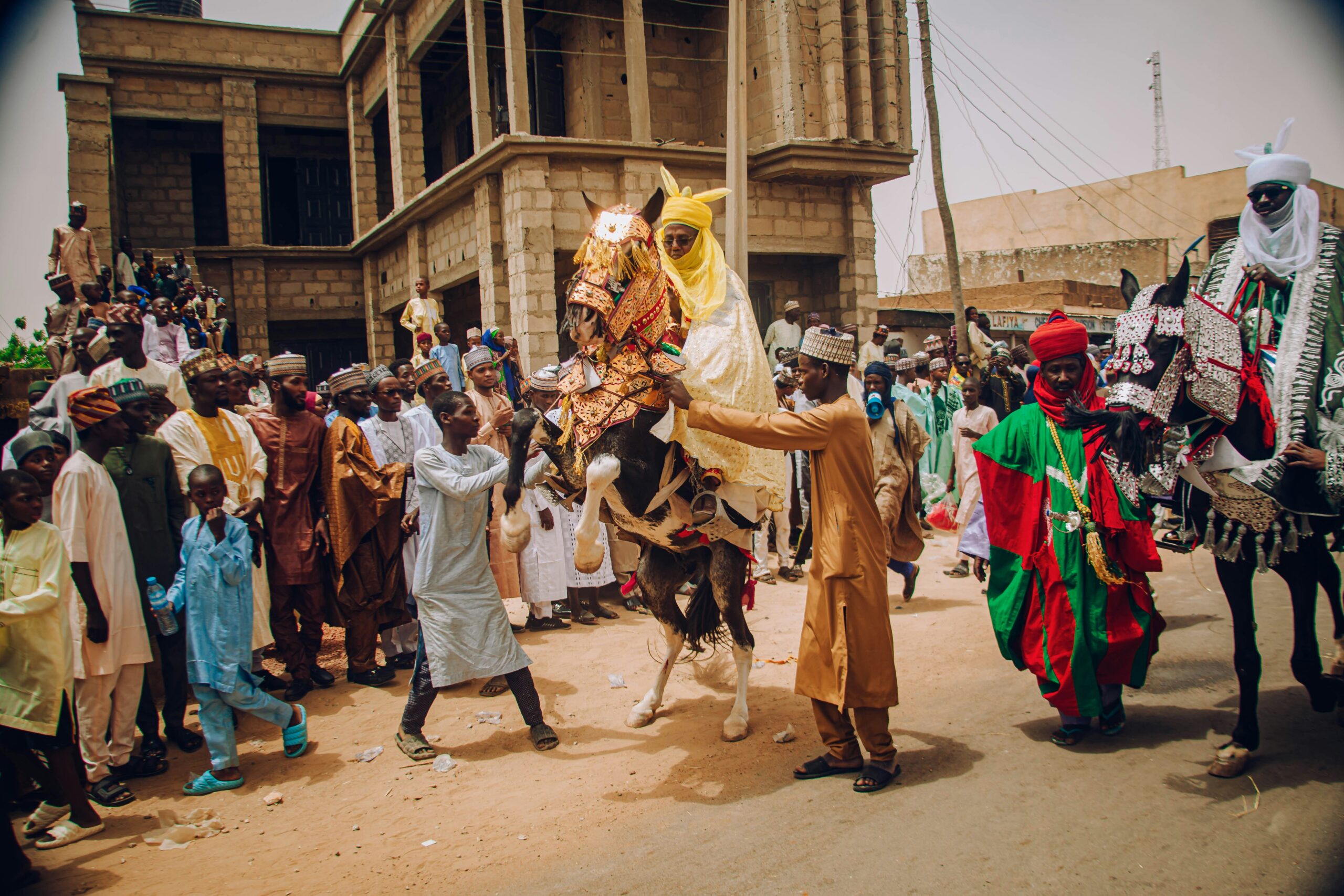
Nigeria’s rich cultural heritage shines through its diverse and vibrant festivals. These practices, rooted in indigenous beliefs, honor ancestors, deities, nature, and community harmony. While Christianity and Islam dominate today, traditional elements persist, often blending with modern faiths.
Igbo Traditional Religion and Events
Among the Igbo of southeastern Nigeria, the traditional faith is called ‘‘Odinani ‘‘ (or Odinala). It centers on ‘‘Chukwu ‘‘ (the supreme deity) who oversees lesser spirits, ancestors, and forces of nature. Practices include offerings, divination, and rituals for protection, fertility, and prosperity.
Key festivals include:
– ‘‘New Yam Festival (Iri Ji or Iwa Ji) ‘‘: Held August–October, it celebrates the yam harvest, the Igbo “king of crops.” Communities thank ancestors and deities, with the king or elders blessing the first yams. Feasting, masquerades, music, dance, and wrestling mark gratitude for abundance and renewal.
– ‘‘Ofala Festival ‘‘: An annual royal celebration (often in October) in places like Onitsha and Nnewi. The Igwe (king) emerges from seclusion to bless his people, with processions, drumming, and displays reinforcing leadership and cultural pride.
These events strengthen social bonds and spiritual connections.
Yoruba Traditional Religion and Events
Yoruba traditional religion revolves around ‘‘Olodumare ‘‘ (the supreme creator) and ‘‘Orishas ‘‘ (deities like Osun, Sango, Ogun). Worship involves divination (Ifa), sacrifices, and honoring ancestors through masquerades.
Secret societies like ‘‘Ekpe ‘‘ (leopard society) enforce laws, perform rites, and connect the living to the spiritual world
Notable festivals:
– ‘‘Osun-Osogbo Festival ‘‘: In August in Osogbo (UNESCO-recognized), devotees honor ‘‘Osun ‘‘, goddess of fertility, love, rivers, and beauty. A two-week event features processions to the sacred grove, drumming, dance, and the Arugba (virgin carrier) offering sacrifices celebrating life, healing, and heritage.
– ‘‘Egungun Festival ‘‘: Honors ancestors via elaborate masquerades embodying spirits. Vibrant costumes, performances, and rituals reinforce community memory and moral values.
– ‘‘Sango Festival ‘‘: In Oyo, it reveres ‘‘Sango ‘‘ (thunder god and former king), with displays of power, dance, and fire elements.
These festivals blend spirituality, art, and tourism.
Efik Traditional Religion and Events
The Efik (and related Ibibio/Annang) of Cross River State practice beliefs in a supreme God, ancestors, and spirits. Secret societies like ‘‘Ekpe ‘‘ (leopard society) enforce laws, perform rites, and connect the living to the spiritual world.
Prominent events:
– ‘‘Ekpe Masquerade Festivals ‘‘: Ekpe masquerades appear in ceremonies for coronations, burials, or community unity. They symbolize authority and protection, with rhythmic dances and chants.
– ‘‘Nyoro Ekpe Festival ‘‘ (in Calabar): Celebrates Ekpe heritage, uniting Efik, Efut, and Qua groups. It features grand displays honoring historical governance and cultural legacy.
Masquerades like Ekpo (Ibibio-influenced) embody ancestors, enforcing social order through dramatic performances.
Nigeria’s traditional religions and festivals preserve identity, teach values, and foster unity amid diversity. From harvest thanksgivings to ancestral honors, they remind us of deep-rooted spiritual connections.
Celebrate Nigeria’s traditions