
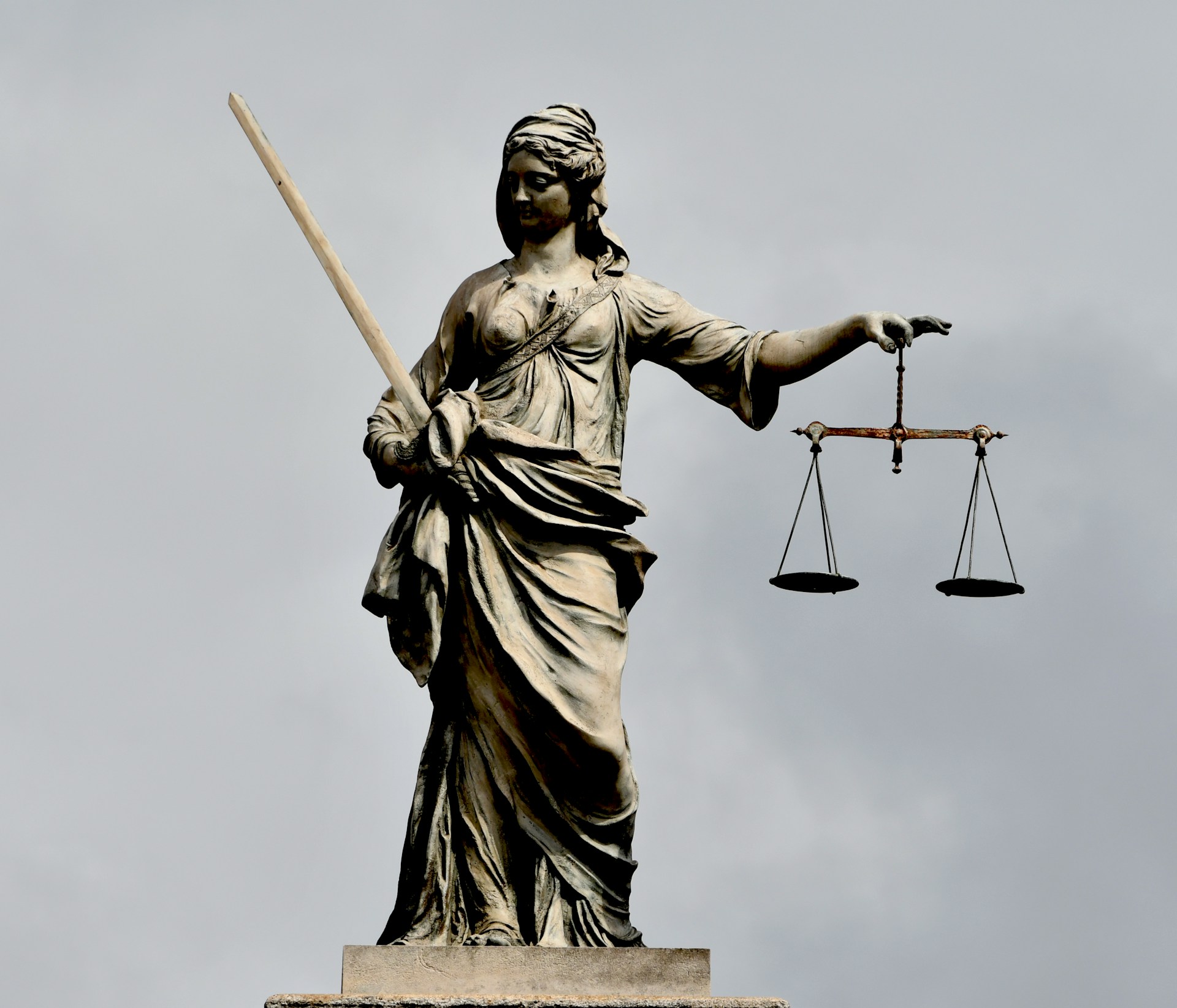
Nigeria is one of the most religious countries in the world, yet despite this strong religious culture, corruption, injustice, poverty, and inequality continue to affect millions of Nigerians every day. This contradiction has raised an uncomfortable but important question:
If religion is so powerful, why do social problems remain so severe?
For many people, this question sits at the center of conversations about religion and social justice.
Understanding Social Justice
Social justice refers to fairness within society.
It involves issues like:
- equal opportunities
- human rights
- poverty reduction
- access to education
- fair treatment
- and protection against oppression
Religious teachings across Christianity and Islam strongly emphasize justice, compassion, honesty, and care for vulnerable people.
Most religious leaders preach:
- kindness
- charity
- fairness
- and moral responsibility
Yet many Nigerians feel society still lacks these values in practice, One major criticism, however, is that religious influence has not translated strongly enough into ethical leadership.
Nigeria remains highly religious while also struggling with: bribery, political corruption, abuse of power and inequality
Many people wonder why religious teachings about honesty and justice seem disconnected from public behavior.
Critics argue that:
- religion is often practiced emotionally rather than morally
- public worship is prioritized over ethical behavior
- and religious identity sometimes becomes more important than character itself
This contradiction continues to frustrate many Nigerians, especially younger generations.
Religious leaders hold enormous influence in Nigerian society
The Role of Religious Leaders in Politics
Religious leaders hold enormous influence in Nigerian society.
Politicians frequently seek endorsements from pastors and Islamic clerics because religion strongly affects public opinion.
However, critics argue some religious institutions avoid speaking boldly against corruption or political injustice.
Others believe certain religious leaders have become too closely connected to political power.
This creates concerns about whether religion is challenging injustice strongly enough or simply adapting to existing systems.
Poverty and Inequality in a Religious Society
Another major issue is economic inequality and the fact that religious institutions do not invest more heavily in: education, job creation, poverty reduction, and community development instead of focusing mainly on large buildings and expansion projects.
The Difference Between Religion and Morality
One difficult reality many Nigerians are confronting is that being religious does not automatically make people moral. Attending church or mosque regularly does not always translate into: honesty, compassion, discipline or integrity, True social transformation requires religious values to influence behavior beyond places of worship, Without practical morality, religion risks becoming performance instead of transformation.
Religion continues to shape Nigerian society deeply, emotionally, culturally, and politically, It provides hope, community, emotional support, and humanitarian assistance for millions of people. But growing social problems have also forced many Nigerians to ask difficult questions about whether religious teachings are truly affecting national behavior strongly enough.
The future of religion and social justice in Nigeria may depend on whether faith moves beyond public worship into everyday ethical action, Because ultimately, a deeply religious society should also strive to become a deeply just society.