
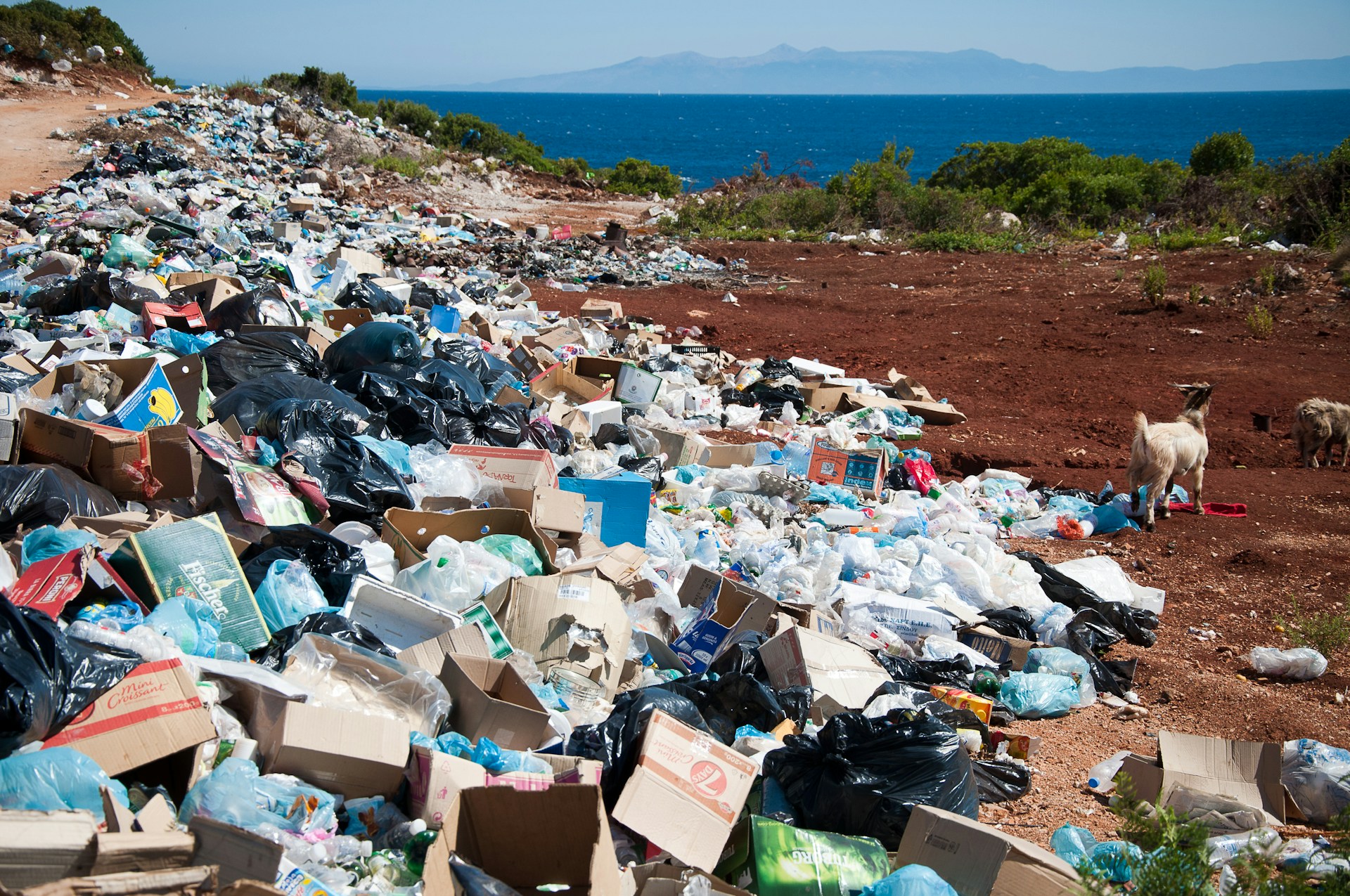
Nigeria generates over 32 million tonnes of solid waste annually, with collection rates as low as 20-30%. Open dumping and burning dominate, creating a public health and environmental emergency. When you Walk through the streets of many major Nigerian cities, you are likely to encounter a familiar, distressing sight: overflowing drainage systems, massive illegal dumpsites, and streets littered with plastic waste. Nigeria’s waste management crisis has reached an alarming scale. It is an environmental disaster and a public health time bomb. To fix this, we must critically analyze the systemic causes of poor waste management and confront their devastating effects on our society.
[Poor Infrastructure & Civic Habits] ➔ [Blocked Drainages & Open Dumping] ➔ [Flooding & Cholera Outbreaks]
Causes: Rapid urbanization and population growth, weak infrastructure and enforcement, low public awareness, inadequate funding, and fragmented governance. Poor planning and consumerism (especially plastics) worsen the problem. Nigeria’s urban centers are growing faster than municipal authorities can manage. The existing waste management boards lack the modern trucks, processing facilities, and personnel required to service millions of households.
Waste is not just garbage; if properly managed
Compounding this infrastructure deficit is a severe lack of public awareness. Many citizens still view open dumping or burning refuse as acceptable ways to dispose of waste. In many neighborhoods, there is no organized system for sorting waste, meaning hazardous materials, organic waste, and plastics are all thrown into the same bin.
Effects: Environmental degradation through soil and water contamination (leachate), air pollution from burning, flooding from clogged drains, biodiversity loss, and greenhouse gas emissions. Health impacts include malaria, cholera, respiratory diseases, and higher child mortality. Economic costs arise from lost productivity and cleanup. The consequences of this negligence are severe. Blocked drainages are a primary cause of urban flooding during the rainy season, destroying properties and displacing families. Furthermore, stagnant water in clogged gutters creates the perfect breeding ground for mosquitoes, driving up malaria rates.
Open dumpsites attract rodents and pests, directly contributing to outbreaks of diseases like Lassa fever and cholera. Environmentally, toxic chemicals from burning plastic pollute the air, while leachate from dumpsites seeps into the soil, contaminating the groundwater that millions rely on via boreholes.
Solutions involve integrated approaches: community-led segregation and recycling, extended producer responsibility, investment in sanitary landfills and waste-to-energy, public education, and stronger enforcement. Informal waste pickers should be formalized with safety nets. Circular economy models can turn waste into wealth, creating jobs. Government must partner with private recycling firms to incentivize waste sorting at the household level. Communities can initiate “trash-for-cash” programs, where residents earn rewards or small payouts for collecting plastics and aluminum cans. Education campaigns must start in primary schools, teaching the younger generation the principles of reducing, reusing, and recycling. Waste is not just garbage; if properly managed, it is an economic resource that can create thousands of green jobs.