
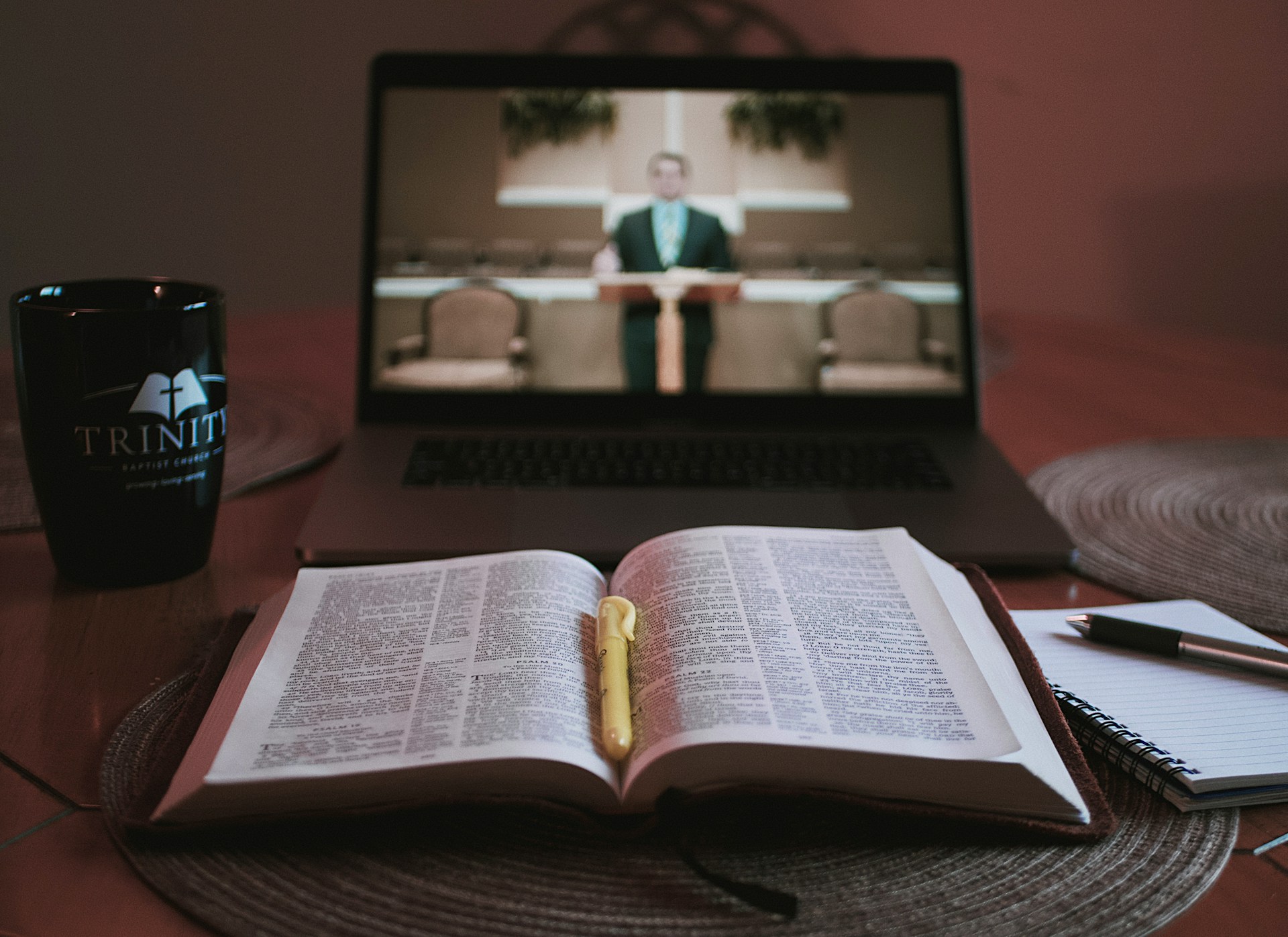
Today, many people now attend church from their phones, laptops, and televisions. From Instagram Live prayers to YouTube sermons and WhatsApp fellowships, technology has completely transformed modern worship in Nigeria.
Although technology had already entered many churches before COVID-19, the pandemic accelerated digital worship across Nigeria.
When physical gatherings were restricted, churches moved online almost overnight.
Young Nigerians adapted faster than expected Online churches have permanently changed worship culture in Nigeria.
What began as a temporary adjustment has grown into a major shift in how people pray, learn, connect, and practice faith. Some now feel more spiritually connected online than they do in physical church environments.
Technology made worship more accessible, especially for: busy workers, students, Nigerians in diaspora, people with disabilities and those living far from churches.
Nigerians still deeply value spirituality
Modern churches in Nigeria are no longer operating only as physical religious centers. Many now function like full media organizations, with Professional cameras, stage lighting, sound design, branding teams, content creators, podcast studios, and social media managers have become common in large ministries. Despite the advantages, online worship has also raised serious concerns.
Many Nigerians worry that worship is slowly becoming more about performance than spirituality.
Some critics argue that:
- church services now look like concerts
- pastors are becoming influencers
- members are more focused on viral moments
- and attention spans are shrinking during worship
Others believe online churches make commitment weaker because people can easily disconnect, multitask, or casually participate without deeper involvement.
There is also concern that social media culture encourages comparison between churches, pastors, and members.
One major concern among older Christians is the decline of physical fellowship.
Traditional church culture in Nigeria was deeply community-based.
People didn’t only attend church to hear sermons, They went to: build friendships, support one another, find mentors, serve in groups and strengthen community bonds Online worship cannot fully replace human interaction.
A livestream may deliver a sermon, but it may not completely recreate the emotional connection of physical fellowship. This is why many churches now combine both digital and physical worship experiences.
The Future of Worship in Nigeria
Nigeria remains one of the most religious countries in the world, and technology is unlikely to reduce that anytime soon.
Instead, worship is evolving.
Future churches may rely even more on: digital communities, virtual counseling, AI-assisted administration, online discipleship and global livestream audiences
But one thing is clear:
Nigerians still deeply value spirituality, even if the methods of worship are changing.
The church of the future may look very different from the church of the past, but faith itself continues to remain central in Nigerian society.