
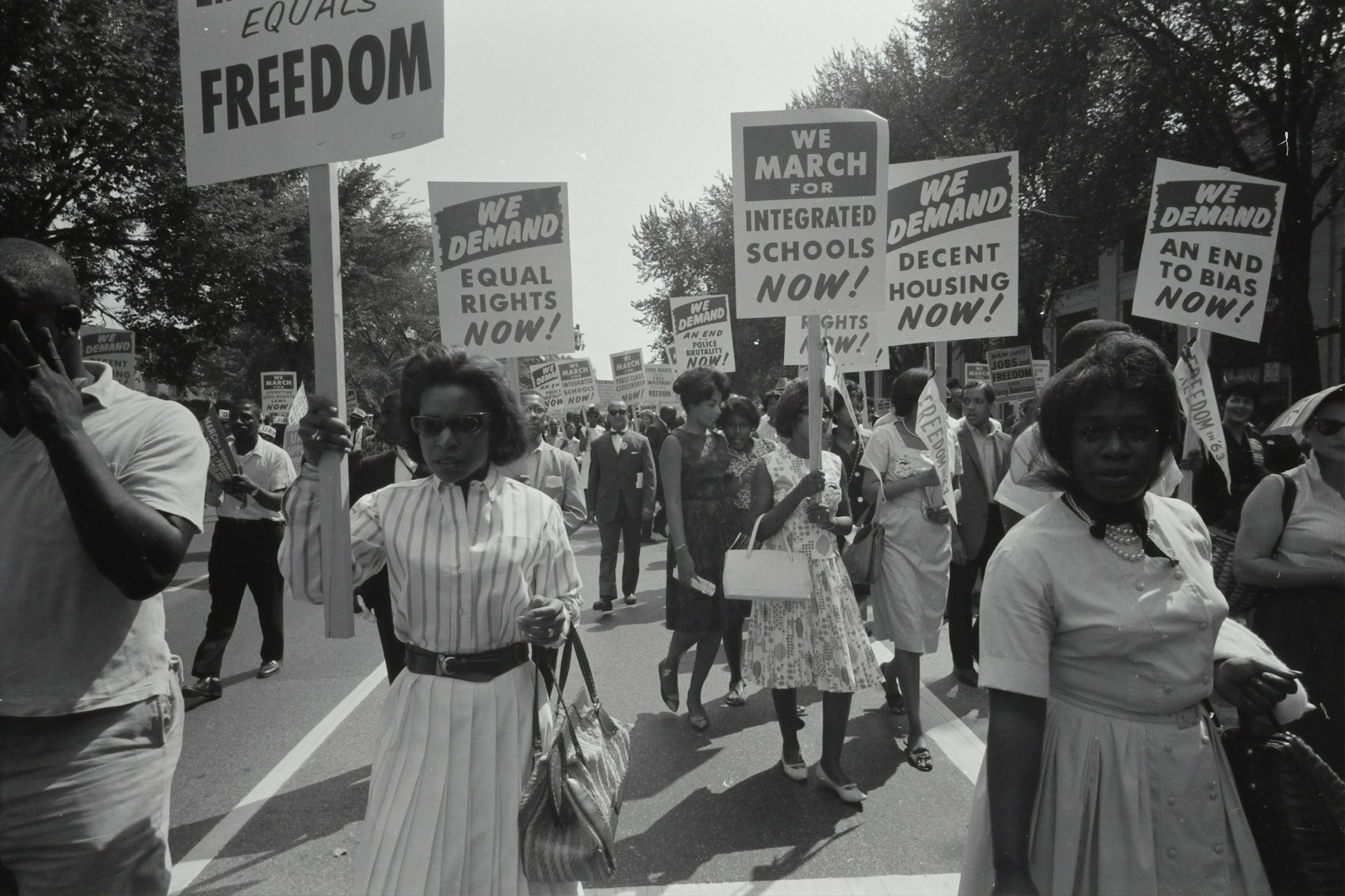
For too long, Nigerian history has been told mainly through the achievements of men. Yet, women have always been at the forefront of resistance, governance, commerce, education, and cultural preservation. From ancient kingdoms to the independence struggle and beyond, Nigerian women have played powerful, often underestimated roles in shaping the nation we have today.
This article celebrates the remarkable contributions of Nigerian women across different eras and regions.
Women in Pre-Colonial Nigeria
- Queen Amina of Zazzau (16th Century)
One of Africa’s greatest warrior queens. Amina ruled the Hausa kingdom of Zazzau (present-day Zaria) and expanded its territory through military conquest. She was a skilled strategist who built strong walls (Ganuwar Amina) around cities and encouraged trade. Her reign remains a symbol of female military and political power in Northern Nigeria.
- Moremi Ajasoro (Yoruba Legend)
A cultural heroine of the Yoruba people. According to tradition, Moremi sacrificed her dignity and risked her life to uncover the secrets of the Igbo invaders threatening Ile-Ife. Her bravery saved her people, and she is still honoured annually in Ife. She represents sacrifice, intelligence, and patriotism.
- Nana Asma’u (1793–1864)
Daughter of Usman dan Fodio and a scholar of the Sokoto Caliphate. She was a poet, teacher, and reformer who established a network of women’s education across the Caliphate. She wrote in Arabic, Hausa, and Fulfulde, promoting Islamic knowledge among women. She is considered one of Africa’s greatest female intellectuals.
Being offliNigerian women have proven that leadership is not defined by gender
- Iyaloja and Market Women
In Yoruba societies, the Iyaloja (Mother of the Market) was a powerful title. Market women controlled trade, influenced politics, and could mobilize large groups for protests. In the Benin Kingdom, the Iyoba (Queen Mother) held significant political and spiritual influence.
Women During Colonial Resistance
Nigerian women were at the forefront of anti-colonial struggles:
– The Aba Women’s Riot of 1929
Thousands of women in Eastern Nigeria (Igbo, Ibibio, etc.) protested against British colonial taxation and warrant chiefs. They used traditional methods of protest: singing, dancing, and “sitting on a man” (public shaming). The riot forced the British to change some policies and remains one of the most powerful women-led uprisings in colonial Africa.
– Madam Efunroye Tinubu (1800s)
A wealthy Lagos trader and political force. She supplied arms to warriors, influenced kings, and fought against British interference. She is remembered as a shrewd businesswoman and nationalist.
– Funmilayo Ransome-Kuti
Known as the “Mother of Nigerian Federalism” and “Lioness of Lisabi.” She founded the Abeokuta Women’s Union, fought for women’s rights, education, and against colonial taxation. She was the first Nigerian woman to drive a car and the mother of legendary musician Fela Kuti.
– Margaret Ekpo (1914–2006)
A fearless politician and women’s rights activist from Calabar. She mobilized women in the struggle for independence and fought against discriminatory policies.
– Hajiya Gambo Sawaba (1933–2009)
Northern Nigeria’s leading female politician. She fought for women’s education and against child marriage despite persecution. She was imprisoned multiple times but never gave up.
Women in Post-Independence Nigeria
After 1960, women continued to break barriers:
– Professor Dora Akunyili – Transformed NAFDAC and fought fake drugs.
– Dr. Ngozi Okonjo-Iweala – First female Finance Minister, later Director-General of WTO.
– Chief (Mrs) Bola Kuforiji-Olubi – First female chartered accountant in Nigeria.
– Justice Maryam Aloma Mukhtar – First female Chief Justice of Nigeria.
– Dr. Stella Ameyo Adadevoh – Heroically contained the Ebola outbreak in 2014 at great personal cost.
In business, politics, academia, entertainment, and activism, Nigerian women continue to excel both locally and internationally.
Cultural and Economic Contributions
– Farming and Food Security: Women form the backbone of Nigerian agriculture, especially in food crop production.
– Trade and Commerce: From ancient market women to modern entrepreneurs.
– Cultural Preservation: Women are custodians of language, songs, dances, and traditional knowledge.
– Peace Building: Women’s groups have played vital roles in conflict resolution, especially in the Niger Delta and North-East.
Challenges Faced by Women in Nigerian History
– Patriarchal structures that limited public leadership roles.
– Colonial policies that often reinforced male dominance.
– Early marriages and limited access to education.
– Violence and discrimination (still ongoing in some areas).
Despite these challenges, Nigerian women have repeatedly shown resilience, intelligence, and courage.
Lessons and Legacy
Nigerian women have proven that leadership is not defined by gender. Their history teaches us:
- Women have always been leaders, warriors, scholars, and strategists.
- When women are empowered, entire communities benefit.
- Collective action by women can challenge even powerful systems (Aba Women’s Riot).
- Education remains the greatest weapon for women’s liberation.
The story of Nigeria cannot be complete without the immense contributions of its women. From Queen Amina’s conquests to Moremi’s sacrifice, from the Aba Women’s Riot to modern trailblazers like Ngozi Okonjo-Iweala, Nigerian women have consistently shaped the destiny of this nation.
As we move forward, Nigeria must do better at documenting, teaching, and celebrating the achievements of women. Young girls need to see themselves in our history books.
To every Nigerian woman, past and present: Thank you for your strength, wisdom, sacrifice, and resilience. You are not the supporting cast of Nigerian history; you are co-authors of our greatness.