
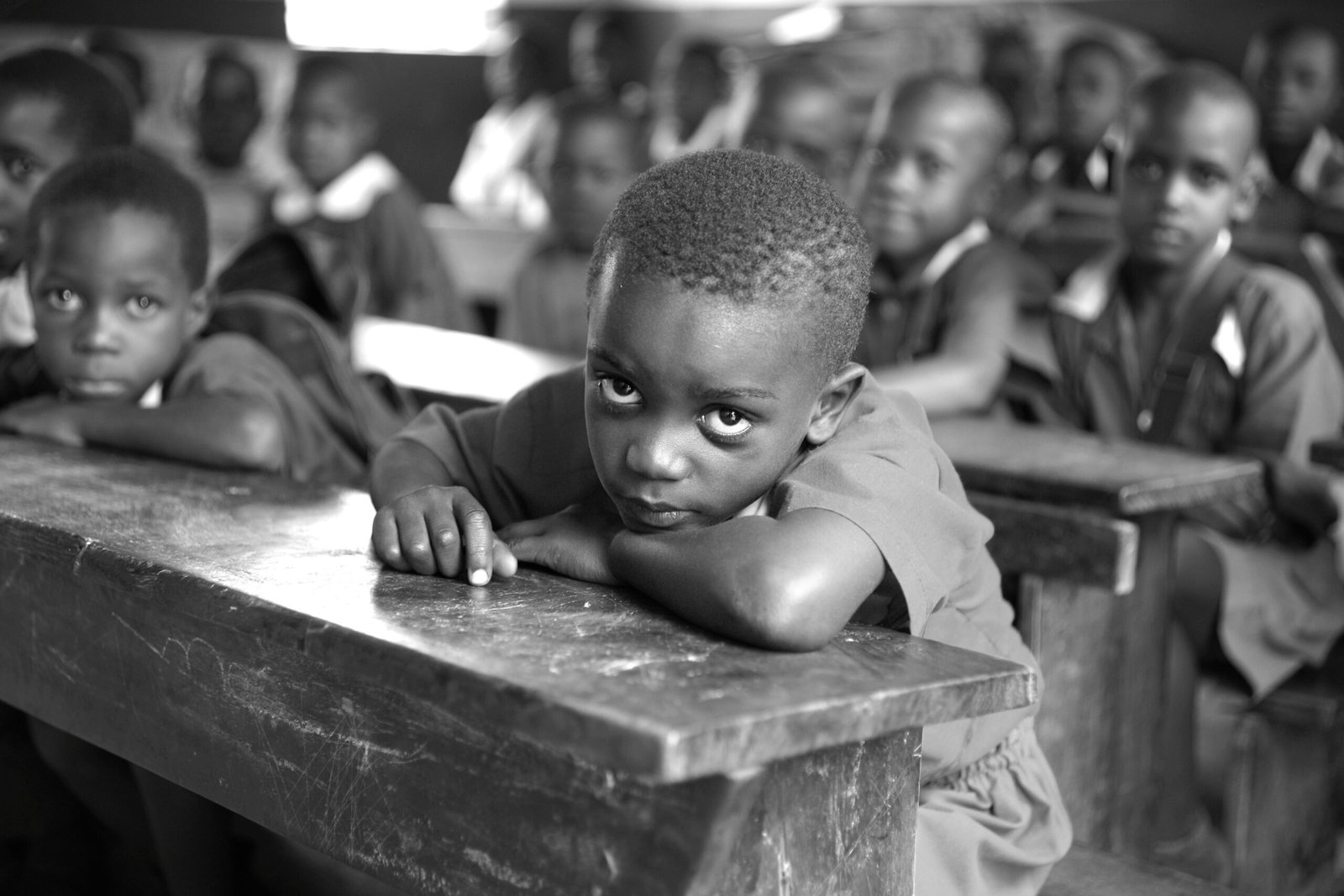
War and armed conflict impose substantial economic costs on nations, particularly developing countries that often have limited resources and fragile institutions. Beyond the immediate destruction of infrastructure and loss of life, conflicts can disrupt economic growth, increase poverty, weaken public institutions, and create long-term development challenges that persist for generations.
Understanding the Economic Impact of War
Armed conflicts affect nearly every aspect of a nation’s economy. Economic activities may be disrupted due to insecurity, displacement, infrastructure damage, and declining investor confidence. The resulting instability can significantly hinder national development efforts.
Economic consequences often continue long after active conflict has ended, affecting future growth and recovery prospects.
Declining Economic Growth
Armed conflict typically reduces economic productivity and limits opportunities for investment and development. Factors contributing to reduced economic growth include: Business closures, Reduced industrial production, Agricultural disruptions, Decreased foreign investment, Loss of skilled labor and Trade restrictions, these factors can lead to prolonged economic stagnation and reduced national income.
Limited investment and trade opportunities slows economic recovery
Increased Poverty and Unemployment
War often contributes to widespread unemployment and poverty. Economic disruptions may eliminate jobs, reduce household incomes, and increase food insecurity.
Vulnerable populations, including children, women, displaced persons, and low-income households, are often disproportionately affected by these economic challenges.
Human Capital Loss
Conflict can significantly reduce a country’s human capital through: Loss of life, Displacement of skilled workers, Educational disruptions, Reduced access to healthcare, Long-term physical and psychological trauma
Public Finance Challenges
Governments involved in armed conflicts frequently face severe financial pressures. Military expenditures may increase substantially while tax revenues decline due to reduced economic activity, this imbalance further delay recovery and development.
Impact on International Investment and Trade
Political instability and security risks often discourage foreign investment and reduce international trade opportunities. Investors may avoid conflict-affected regions due to uncertainty, while disruptions to transportation and production systems can reduce export capacity.
Limited investment and trade opportunities slows economic recovery and reduce long-term growth prospects.
The effects of war often persist for decades, Successful recovery typically requires sustained investment, institutional reform, and international cooperation.
Promoting Economic Recovery
Post-conflict economic recovery strategies may include Rebuilding infrastructure, Supporting education and workforce development, Encouraging investment, Strengthening institutions, Expanding employment opportunities, Promoting political stability and peacebuilding
Comprehensive recovery efforts can help restore economic growth and improve long-term development outcomes.
War imposes severe economic costs on developing nations, affecting infrastructure, employment, education, public finances, and long-term growth. Addressing these challenges requires coordinated efforts at local, national, and international levels. Sustainable peace and economic recovery remain essential for improving the well-being and prospects of conflict-affected societies.