
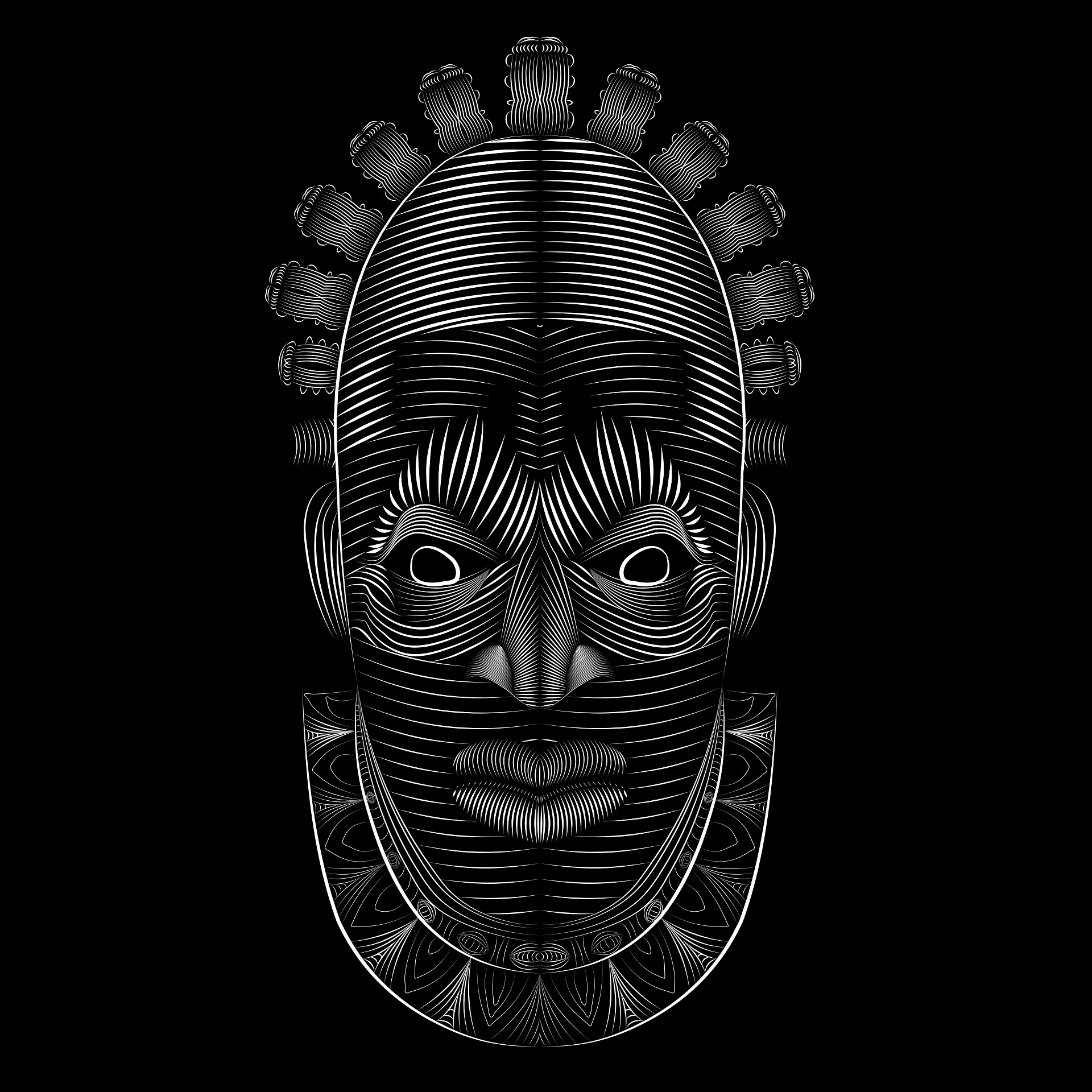
When people talk about great African civilizations, the Benin Kingdom (also known as the Edo Kingdom) stands among the greatest. Located in present-day Edo State in southern Nigeria, the Benin Kingdom was one of the most powerful, sophisticated, and influential empires in West Africa from the 13th to the 19th century.
At its peak, Benin was famous for its advanced urban planning, breathtaking bronze art, powerful military, and highly centralized administration. Its influence extended far beyond its borders, reaching parts of modern-day Ghana, Togo, and even influencing trade across the Atlantic.
Origins and Rise of the Kingdom
The history of Benin begins with the Ogiso dynasty (rulers of the sky), but the kingdom’s golden age started in 1180 AD with the arrival of Prince Oranmiyan from Ile-Ife. Oranmiyan’s son, Eweka, became the first Oba of Benin, establishing the current royal dynasty that continues till today.
The kingdom transformed into a powerful empire during the reign of Oba Ewuare the Great (1440–1473). Ewuare expanded the kingdom through military conquests, built the famous inner and outer city walls, and introduced major administrative reforms.
Major Achievements of the Benin Kingdom
- The Great Benin Wall
The Benin Walls were a series of defensive earthworks that stretched over 16,000 kilometres — longer than the Great Wall of China. Built over centuries, they protected the kingdom and its farmlands. Historians estimate that the walls required more labour than the construction of the Egyptian pyramids. Sadly, very little remains today due to colonial destruction and modern development.
- World-Famous Benin Bronzes
The Benin Bronzes (actually brass and bronze artworks) are among the finest examples of African metallurgy and artistry.
– Intricate plaques depicting Obas, warriors, Portuguese traders, and court life.
– Commemorative heads of Obas and Iyobas (Queen Mothers).
– Beautiful ivory carvings and ceremonial objects.
These artworks showed incredible technical skill many were made using the lost-wax casting technique. Today, they are displayed in major museums around the world, though Nigeria continues to demand their return.
Benin Kingdom was not just a powerful empire it was a centre of civilization
- Advanced Administration and Governance
Benin had a highly organized system:
– The Oba was the supreme ruler and spiritual head.
– A council of chiefs (Uzama) and palace associations helped govern.
– The kingdom was divided into provinces with appointed administrators.
– A strong standing army with advanced tactics.
- Trade and Diplomacy
Benin traded ivory, pepper, cloth, and slaves with the Portuguese from the late 15th century. The Portuguese described Benin City as a magnificent urban centre with straight streets, houses with brass roofs, and a powerful king. Benin controlled trade routes and maintained diplomatic relations with European powers.
Legendary Rulers
– Oba Ewuare the Great: Expanded the kingdom and built the city walls.
– Oba Esigie (1504–1550): Defeated the Igala people, promoted arts and learning, and worked closely with the Portuguese while protecting Benin’s sovereignty. His mother, Idia, the first Iyoba (Queen Mother), was a powerful warrior and strategist.
– Oba Ovonramwen (1888–1914): The last independent Oba, who faced British invasion.
The 1897 British Punitive Expedition
One of the darkest chapters in Benin history occurred in 1897. After a British trading party was attacked (under disputed circumstances), Britain launched a massive “punitive expedition.” They burned Benin City, looted thousands of priceless artefacts (the Benin Bronzes), and exiled Oba Ovonramwen to Calabar, where he died in 1914.
This invasion destroyed much of the kingdom’s physical heritage and scattered its treasures across Europe and America.
Legacy and Relevance in Modern Nigeria
Despite the destruction, the Benin Kingdom’s influence remains strong:
– The Oba of Benin remains one of the most respected traditional rulers in Nigeria today.
– Edo cultural identity is very strong among the Edo people.
– Benin art continues to inspire Nigerian artists and designers.
– The kingdom’s history proves that sophisticated governance and urbanization existed in Nigeria long before colonial rule.
Current Efforts
– The Benin Dialogue Group is negotiating the return of looted artefacts.
– Germany, Britain, and other countries have begun returning some bronzes.
– The planned Edo Museum of West African Art (EMOWAA) aims to become a world-class centre for preserving Benin heritage.
Lessons from the Benin Kingdom
- Greatness is not new to Nigeria — Our ancestors built impressive cities and institutions.
- Art and culture are forms of power — Benin used art to document history and project royal authority.
- Unity and strong leadership matter — The kingdom’s strength came from centralized yet inclusive governance.
- Heritage must be protected — We must learn from the 1897 looting and guard our remaining treasures.
The Benin Kingdom was not just a powerful empire it was a centre of civilization, creativity, and diplomacy. Its bronze works, city planning, and administrative system ranked among the best in the world at the time.