
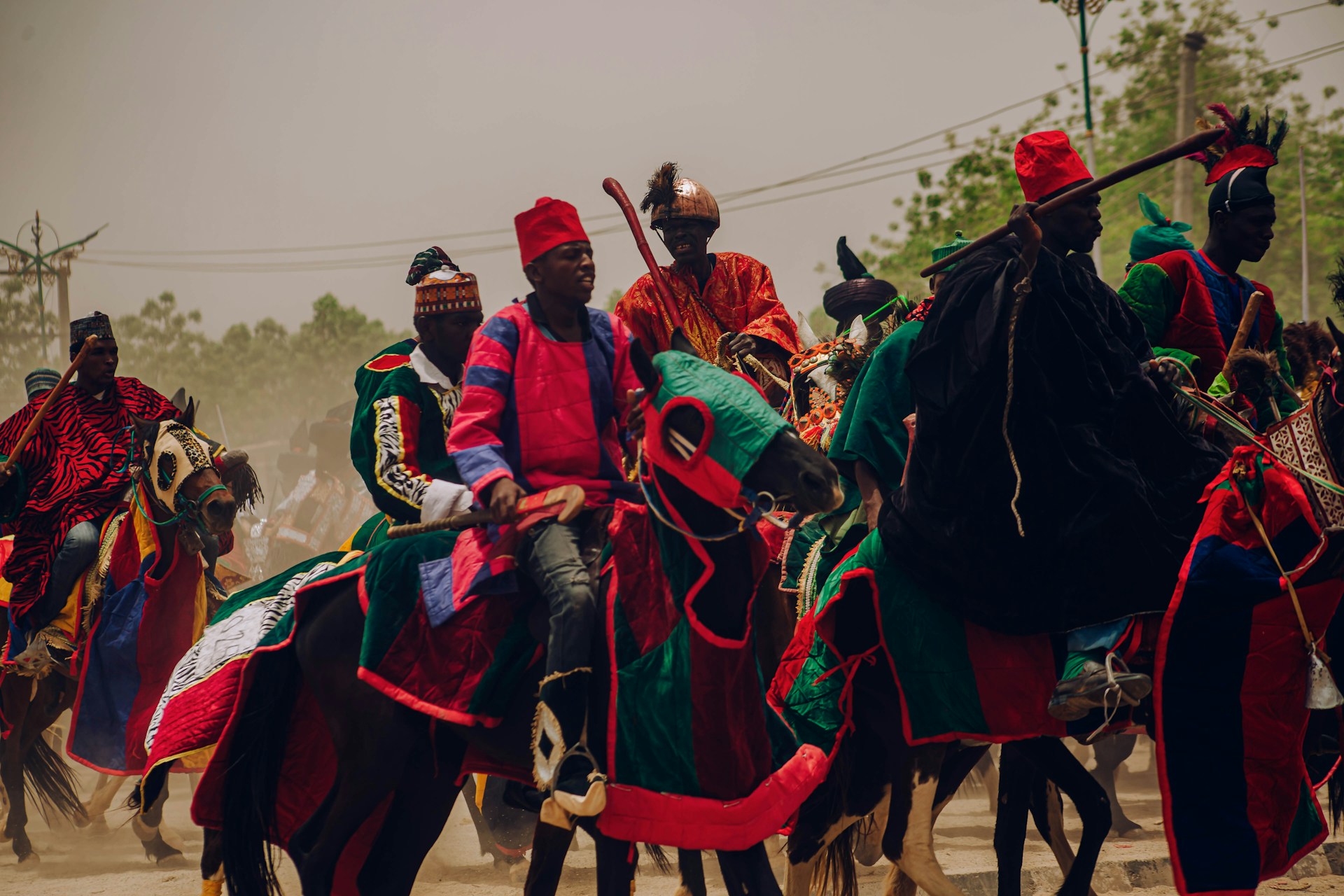
Nigeria is one of the most culturally diverse countries on earth. With over 250 ethnic groups, each possessing unique languages, traditions, music, dance, attire, festivals, and belief systems, our cultural heritage is vast and rich. From the ancient Nok terracotta to the Benin Bronzes, from the Argungu Fishing Festival to the Osun-Osogbo Sacred Grove, Nigeria’s culture is a treasure that defines who we are as a people.
However, in the face of globalization, modernization, urbanization, and religious extremism, many aspects of this heritage are under serious threat. This article explores Nigeria’s rich cultural heritage and the urgent need for its preservation.
The Richness of Nigerian Cultural Heritage
Nigeria’s cultural assets can be grouped into several categories:
- Tangible Heritage
– Benin Bronzes — World-renowned masterpieces of African art.
– Nok Terracotta — Evidence of one of Africa’s earliest civilizations.
– Igbo-Ukwu Bronzes — Sophisticated 9th-century metalwork.
– Ancient mosques (e.g., in Kano and Sokoto) and cathedrals (e.g., in Lagos and Calabar).
– Royal palaces — Benin Palace, Emir’s Palace in Kano, Palace of the Alaafin of Oyo.
- Intangible Heritage
– Festivals: Durbar (Kano, Katsina), Osun-Osogbo, Eyo Festival (Lagos), New Yam Festival (Igbo), Calabar Carnival, Argungu Fishing Festival.
– Music and Dance: Juju, Highlife, Afrobeats, Fuji, Makossa influences, traditional dances like Bata, Atilogwu, and Swange.
– Oral Traditions: Proverbs, folktales, poetry, and praise singing (Griots in the North).
– Traditional Knowledge: Indigenous medicine, architecture, textile making (Aso-Oke, Akwete), and farming techniques.
- Natural and Sacred Sites
– Osun-Osogbo Sacred Grove (UNESCO World Heritage Site).
– Sukur Cultural Landscape in Adamawa (also UNESCO listed).
– Yankari Game Reserve and other cultural landscapes.
Why Cultural Heritage Matters
– Identity: Culture gives Nigerians a sense of belonging in an increasingly globalized world.
– Tourism and Economy: Properly managed heritage sites can generate huge revenue and create jobs (e.g., Calabar Carnival attracts thousands yearly).
– Soft Power: Nigerian culture (through Nollywood, Afrobeats, and fashion) is one of our strongest exports.
– Historical Continuity: Heritage connects us to our ancestors and provides lessons for the future.
– Social Cohesion: Shared festivals and traditions help bridge ethnic divides.
Our culture is our identity. Our heritage is our wealth
Major Threats to Nigerian Cultural Heritage
- Looting and Illicit Trade: Thousands of artefacts (especially Benin Bronzes) were stolen during colonial times and are still in foreign museums. Illegal digging continues today.
- Urbanization and Development: Many historical sites are destroyed for real estate and infrastructure.
- Religious Extremism: Some extremist groups have destroyed ancient mosques, shrines, and monuments.
- Neglect and Poor Funding: Many museums are underfunded and poorly maintained. The National Commission for Museums and Monuments (NCMM) is seriously under-resourced.
- Loss of Indigenous Knowledge: Younger generations are losing interest in traditional practices due to Western education and social media.
- Climate Change: Erosion and flooding threaten many heritage sites, especially in coastal areas.
Positive Efforts and Success Stories
– Repatriation Movement: Nigeria is actively demanding the return of looted artefacts. Germany, Britain, and the Netherlands have begun returning some Benin Bronzes. The planned Edo Museum of West African Art (EMOWAA) is a major step forward.
– UNESCO Recognitions: Osun-Osogbo and Sukur have gained international protection.
– State Initiatives: Lagos, Cross River, and Osun States have invested in cultural tourism. The Calabar Carnival is now a major annual event.
– Private Sector Involvement: Individuals and organizations like the Tony Elumelu Foundation, heritage advocates, and artists are promoting Nigerian culture globally.
– Digital Preservation: Young Nigerians are documenting languages, festivals, and traditions on YouTube, TikTok, and Instagram.
Practical Steps for Cultural Preservation
- Government Action: Increase funding for museums and heritage agencies. Pass stronger laws against looting.
- Education: Integrate Nigerian history and culture into school curricula at all levels.
- Community Involvement: Traditional rulers and local communities should lead preservation efforts.
- Tourism Development: Develop sustainable cultural tourism that benefits host communities.
- Documentation: Urgent recording of endangered languages, festivals, and traditions before they disappear.
- Youth Engagement: Use technology, music, fashion, and film to make culture attractive to young people.
- Diaspora Role: Nigerians abroad should promote and invest in cultural projects back home.
The Role of Individuals
Every Nigerian has a part to play:
– Visit local museums and heritage sites.
– Learn your language, proverbs, and traditional songs.
– Support local artisans and cultural festivals.
– Document family history and traditions.
– Speak out against the destruction of heritage sites.
Nigeria’s cultural heritage is not just about the past it is the foundation of our future. In a world that is becoming increasingly homogenized, our diversity is our competitive advantage. The music that the world dances to, the stories Nollywood tells, the fashion that inspires global designers all flow from the deep well of our cultural heritage.
We must move from merely celebrating culture during festivals to actively protecting and investing in it every day. If we fail to preserve our heritage, we risk losing the very soul of what makes us Nigerian.
To the current generation: You have inherited a rich legacy. Protect it, innovate with it, and pass it on stronger to the next generation. Let us build a Nigeria where our children are proud of their roots while confidently facing the future.
Our culture is our identity. Our heritage is our wealth. Preserving it is not optional it is a sacred duty to our ancestors and to generations yet unborn.