
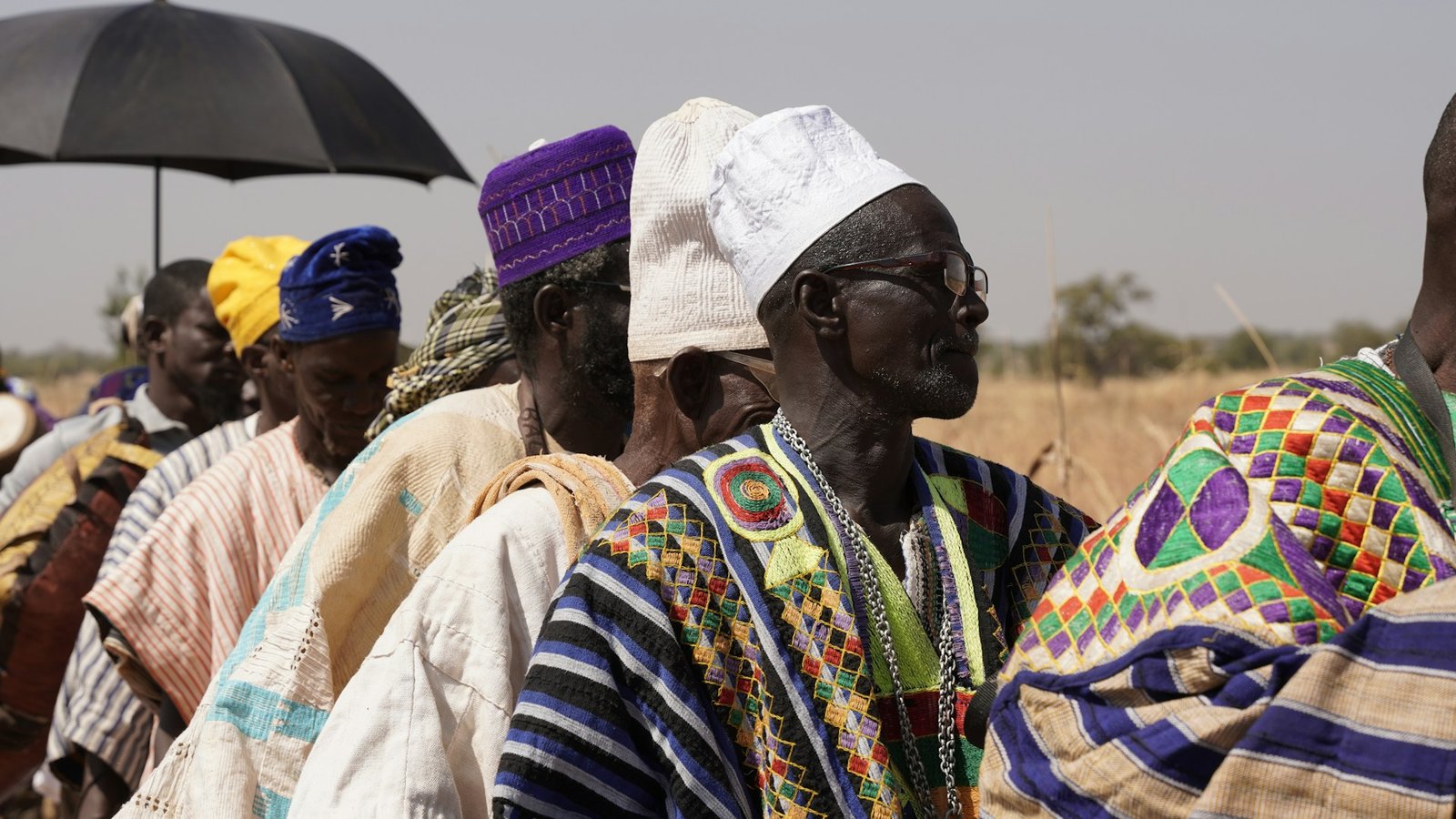
Long before Nigeria became a single country in 1914, hundreds of sophisticated traditional leadership systems existed across the land. These systems governed millions of people, resolved disputes, managed resources, and maintained order for centuries. Even today, traditional rulers remain highly respected and continue to play important roles alongside modern government institutions.
Nigeria’s traditional leadership is incredibly diverse, reflecting the country’s rich cultural tapestry. From powerful monarchs to republican village assemblies, these systems showcase Africa’s indigenous genius in governance.
Major Traditional Leadership Systems in Nigeria
- The Yoruba Monarchical System (Southwest)
The Yoruba have one of the most structured monarchical systems in Africa:
– Oba (King) is the spiritual and political head.
– The famous Alaafin of Oyo and Oba of Benin are among the most powerful.
– Governance included checks and balances: Oyomesi council, Ogboni society, and Ifa divination.
– Kings are usually selected from royal families but must be approved by kingmakers and the people.
– Titles like Iyaloja, Balogun, and Otun represent different interest groups.
- The Benin Kingdom Monarchy
One of the most centralized systems in pre-colonial Nigeria:
– The Oba of Benin is both king and spiritual leader (semi-divine status).
– Highly organized palace administration with associations (guilds) handling different aspects of governance.
– Strong emphasis on tradition, hierarchy, and continuity — the current Oba Ewuare II continues this ancient lineage.
- Igbo Traditional Leadership (Southeast)
The Igbo operated a more republican and democratic system:
– Acephalous (leaderless) societies in many areas no kings but governance through:
– Council of Elders (Ndichie)
– Age-grade system
– Umunna (patrilineal kinship groups)
– Town unions and village assemblies
– Title systems such as Ozo, Ichie, and Nze conferred high status.
– Decision-making was often through consensus and open village meetings (Ime Obi).
- Hausa-Fulani Emirate System (North)
Highly centralized and hierarchical:
– Emirs rule over emirates (successors of the Sokoto Caliphate structure).
– The Sultan of Sokoto is the spiritual head of Muslims in Nigeria.
– Governance based on Islamic principles (Sharia) combined with traditional customs.
– Strong emphasis on justice, scholarship, and administrative efficiency.
- Other Notable Systems
– Tiv — Gerontocracy (rule by elders) and lineage-based leadership.
– Ijaw — Clan and canoe house systems in the Niger Delta.
– Nupe and Jukun — Strong centralized kingdoms.
– Borno — Ancient Kanem-Borno Empire with the Shehu as leader.
How Traditional Leadership Worked
Key Features Common Across Systems:
– Spiritual Authority: Many traditional rulers were (and still are) seen as custodians of the land and spiritual intermediaries.
– Consensus Building: Even in monarchies, rulers rarely governed alone. Councils and elders provided advice.
They survived colonialism, military rule, and modern democracy
– Conflict Resolution: Traditional rulers were (and still are) chief mediators in land, family, and communal disputes.
– Resource Management: They oversaw communal land, markets, and festivals.
– Legitimacy: Power came from ancestry, achievement, community approval, and spiritual recognition.
The Impact of Colonialism on Traditional Leadership
British colonial rule introduced Indirect Rule, especially in the North, where they governed through Emirs and traditional structures. This preserved many systems but also weakened others:
– Warrant Chiefs were imposed in the East, causing resentment (contributed to Aba Women’s Riot).
– Many powerful kingdoms lost territories and autonomy.
– Education and Christianity/Islam challenged some traditional practices.
After independence in 1960, traditional rulers were sidelined in the constitution but retained massive cultural and social influence.
Traditional Leadership in Modern Nigeria
Today, traditional rulers still play vital roles:
– Conflict Resolution: Many disputes are settled faster in palaces than in courts.
– Security: They help with intelligence and community policing.
– Development: Many sponsor education, healthcare, and infrastructure projects.
– Cultural Preservation: They maintain language, customs, festivals, and heritage.
– Political Influence: Though they are not supposed to be partisan, their endorsement carries weight.
Notable modern examples:
– Oba of Benin – Cultural revival and repatriation of artefacts.
– Alaafin of Oyo – Yoruba cultural leadership.
– Sultan of Sokoto – Major Islamic authority.
– Obong of Calabar and Emir of Kano – Strong regional influence.
Challenges Facing Traditional Institutions
– Conflict with modern democracy and human rights (e.g., succession disputes, gender roles).
– Politicians interfering in selection of rulers.
– Erosion of power and relevance among the youth.
– Financial sustainability — many rulers have limited official funding.
Lessons from Nigeria’s Traditional Leadership Systems
- Governance can be culturally rooted — Nigeria had functional systems long before colonialism.
- Diversity strengthens us — Different ethnic groups developed governance models that suited their realities.
- Checks and balances work — Systems like the Oyomesi in Oyo prevented tyranny.
- Leadership is about service — Traditional rulers are custodians of the people and the land.
- Institutions matter — Strong cultural institutions help maintain order even when modern government fails.
Nigeria’s traditional leadership systems represent some of the finest examples of indigenous African political thought and organization. They survived colonialism, military rule, and modern democracy because they are deeply connected to the identity and spirituality of the people.
While Nigeria must continue strengthening its democratic institutions, we should not discard or disrespect our traditional systems. The ideal future is a healthy synergy where modern democracy and traditional wisdom work together for the benefit of the people.
you are Yoruba, Igbo, Hausa, Ijaw, Tiv, or from any other group, your ancestors developed sophisticated ways of governing themselves. Understanding these systems helps us govern ourselves better today.
Traditional leadership is not a relic of the past it is a living institution that still holds wisdom Nigeria needs for the future.