
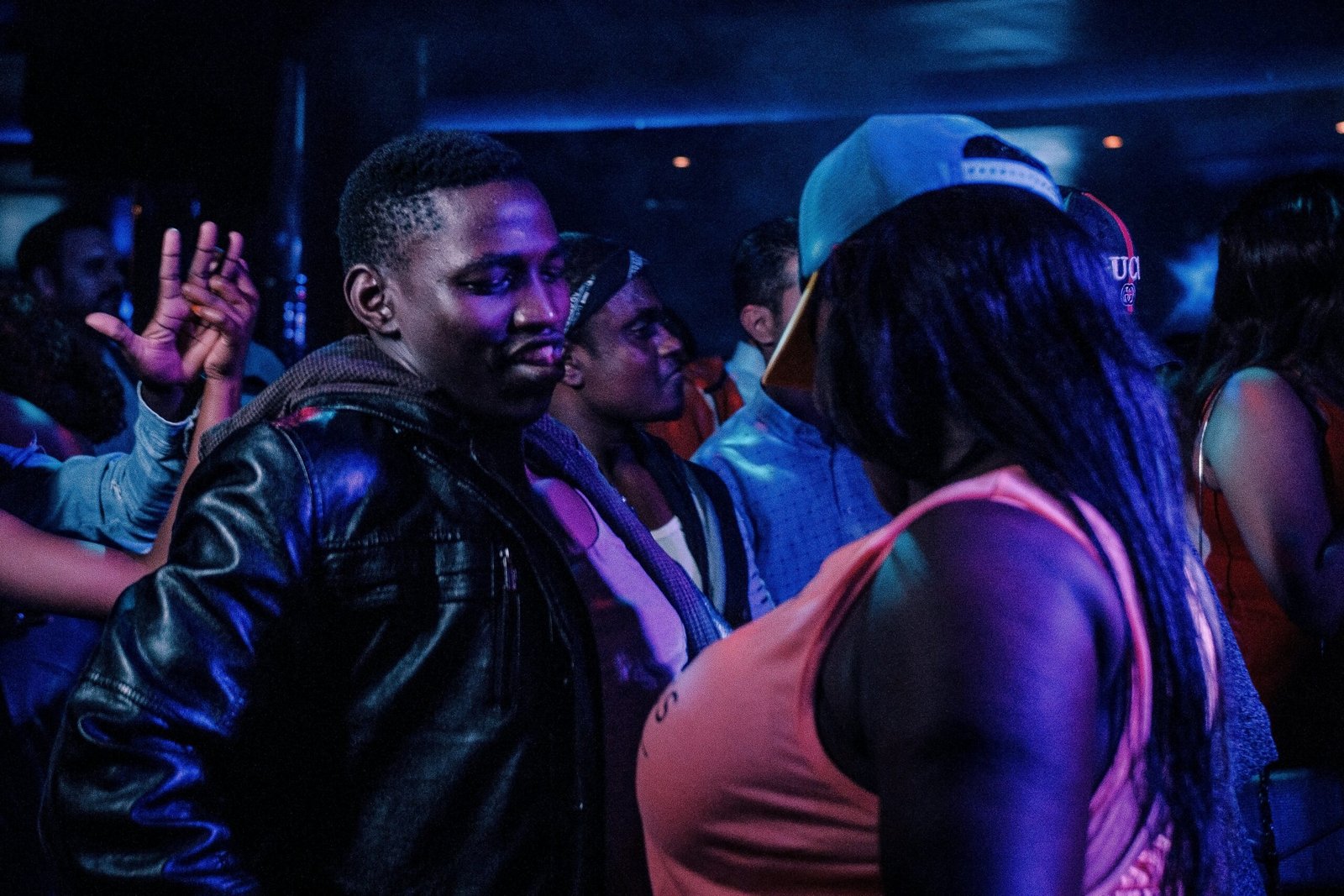
Across cultures and generations, people have gathered to celebrate important milestones, achievements, traditions, and special occasions. From birthdays and weddings to festivals and community events, celebrations bring people together in ways that satisfy deep psychological and social needs. Understanding why people enjoy parties provides insight into human behavior, emotional well-being, and the importance of social connection.
The Human Need for Social Connection
Humans are naturally social creatures who seek belonging and meaningful relationships. Parties and celebrations provide opportunities to interact, communicate, and strengthen social bonds in enjoyable settings.
Participating in celebrations helps individuals feel connected to family, friends, colleagues, and their communities, reducing feelings of loneliness and isolation.
Celebrating Important Life Milestones
People naturally seek opportunities to recognize meaningful moments in life. Celebrations mark significant events such as Birthdays, Weddings, Graduations, Religious holidays, Career achievements, Anniversaries and Cultural festivals
Recognizing these milestones provides emotional satisfaction and creates lasting memories.
Positive social experiences often contribute to increased self-esteem and personal growth.
Positive Emotions and Happiness
Celebrations often generate positive emotions, including joy, excitement, gratitude, and optimism. Shared laughter, music, entertainment, and meaningful conversations contribute to improved emotional well-being.
Positive experiences during celebrations can also strengthen relationships and improve overall life satisfaction.
The Power of Shared Experiences
Psychological research suggests that shared experiences often create stronger emotional bonds than material possessions. When people celebrate together, they develop memories that reinforce relationships and foster long-term connections, Shared experiences encourage: Trust, Cooperation, Friendship, Family bonding and Community identity. These social benefits contribute to stronger interpersonal relationships.
Breaking Everyday Routines
Daily responsibilities can create stress and mental fatigue. Parties provide a temporary break from routine by allowing individuals to relax, socialize, and enjoy recreational activities.
Taking time to celebrate can improve mental well-being, reduce stress, and increase overall life satisfaction.
Cultural Identity and Belonging
Celebrations play an important role in preserving cultural traditions and strengthening community identity. Festivals, religious observances, and traditional ceremonies allow people to connect with their heritage while sharing customs with others.
These events reinforce shared values and strengthen social cohesion.
Music, Food, and Entertainment
Many celebrations include music, dancing, games, and shared meals, all of which contribute to positive emotional experiences. These activities stimulate enjoyment, encourage participation, and create opportunities for meaningful social interaction.
Food and entertainment often serve as important symbols of hospitality and celebration across cultures.
Building Self-Confidence
Social gatherings also allow individuals to express themselves, develop communication skills, and build confidence in social settings. Meeting new people and participating in conversations can strengthen interpersonal skills and expand social networks.
Positive social experiences often contribute to increased self-esteem and personal growth.
People love parties and celebrations because they satisfy fundamental human needs for connection, belonging, recognition, and joy. Beyond entertainment, celebrations strengthen relationships, preserve cultural traditions, promote emotional well-being, and create meaningful memories. Whether large community festivals or small family gatherings, celebrations remain an essential part of human life and social development.