
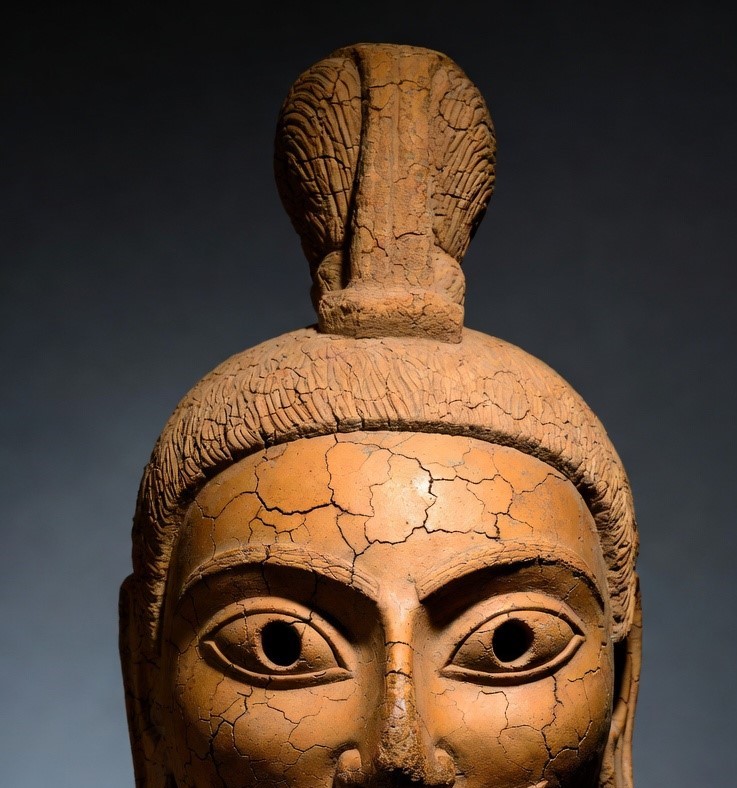
Long before the great empires of Benin, Oyo, and Sokoto, and centuries before the arrival of colonial powers, a sophisticated civilization flourished in what is today northern Nigeria. This was the Nok Civilization one of the earliest complex societies in West Africa and the birthplace of Nigeria’s artistic and technological heritage.
Named after the village of Nok in present-day Kaduna State where the first artefacts were discovered in 1928, this ancient culture continues to reshape our understanding of African history
Historical Timeline and Discovery
The Nok Civilization existed from approximately 1500 BC to 500 AD, making it over 3,000 years old. It predates many famous African kingdoms and was already thriving during the time of ancient Egypt’s later dynasties.
The discovery happened by accident. In 1928, a tin miner in Nok village found a small terracotta head. Further excavations by British archaeologist Bernard Fagg in the 1940s and 1950s revealed hundreds of remarkable terracotta sculptures. Radiocarbon dating confirmed the astonishing age of the culture.
The Nok people lived in the area stretching across present-day Kaduna, Plateau, Nasarawa, and parts of Bauchi and Kaduna States the southern edge of the Jos Plateau.
Achievements That Still Amaze Historians
- Terracotta Art Mastery
The Nok are famous worldwide for their unique terracotta sculptures the oldest known figurative art in sub-Saharan Africa.
– Life-sized human figures with elaborate hairstyles, jewellery, and facial features.
– Abstract and stylized heads with triangular eyes, flared nostrils, and beautiful hairstyles.
– Animal figures and everyday objects.
These sculptures show advanced artistic skill and possibly served religious, ancestral, or social purposes.
We had thriving, artistic, and innovative societies thousands of years ago
- Iron Technology
The Nok people were among the earliest iron smelters in West Africa. They produced iron tools for farming and weapons as early as 1000 BC. This early mastery of iron gave them agricultural and military advantages.
- Advanced Agriculture and Settlement
They cultivated crops such as millet, sorghum, and cowpeas. They lived in organized settlements with evidence of house structures, suggesting a well-planned society.
- Social Organization
Evidence suggests they had a complex society with possible social classes, spiritual leaders, and skilled artisans. The quality and variety of their art indicate specialists who were supported by the community.
Why the Nok Civilization Matters to Nigeria Today
The Nok culture provides strong proof that advanced civilizations existed in Nigeria long before European contact. It challenges old colonial narratives that portrayed Africa as “primitive” before colonization.
Connection to Modern Nigeria
– Many scholars believe cultural elements from Nok influenced later societies in the region.
– The famous Igbo-Ukwu bronzes and Ife terracotta and bronze heads show possible artistic continuity with Nok traditions.
– It reminds us that Nigeria’s cultural heritage is rich, diverse, and ancient.
Challenges Facing Nok Heritage
Unfortunately, the Nok civilization faces serious threats today:
– Illegal artefact looting and black-market trading.
– Tin mining activities destroying archaeological sites.
– Poor funding for research and preservation.
– Limited public awareness many Nigerians, especially young people, have never heard of Nok.
The National Commission for Museums and Monuments (NCMM) and international partners are working to protect remaining sites, but more needs to be done.
Visiting Nok Today
You can view original Nok terracotta pieces at:
– National Museum, Jos
– National Museum, Lagos
– Some pieces are also displayed in international museums (France, Germany, USA).
The Nok Village and surrounding archaeological sites in Kaduna State offer opportunities for cultural tourism if properly developed.
Lessons from the Nok Civilization
- Innovation is not new to Nigeria — Our ancestors were creative and technologically advanced.
- Art and culture are powerful — The Nok used art to express identity and possibly spirituality.
- Heritage must be protected — What we fail to preserve today will be lost to future generations.
- Unity in diversity — The Nok territory covered multiple ethnic groups, showing early intercultural exchange.
The Nok Civilization stands as a powerful testimony that Nigeria was never a “dark continent” waiting to be civilized. We had thriving, artistic, and innovative societies thousands of years ago.
As Nigerians, we must take pride in this heritage. Schools should teach more about Nok, governments should invest in proper excavation and museums, and young people should see themselves as descendants of great innovators.
The Nok did not leave us written records, but they left us something more powerful: their art, their technology, and their story. It is now our responsibility to tell it loudly and proudly.
Nok is not just history. Nok is proof of who we have always been: creative, resilient, and great people.