
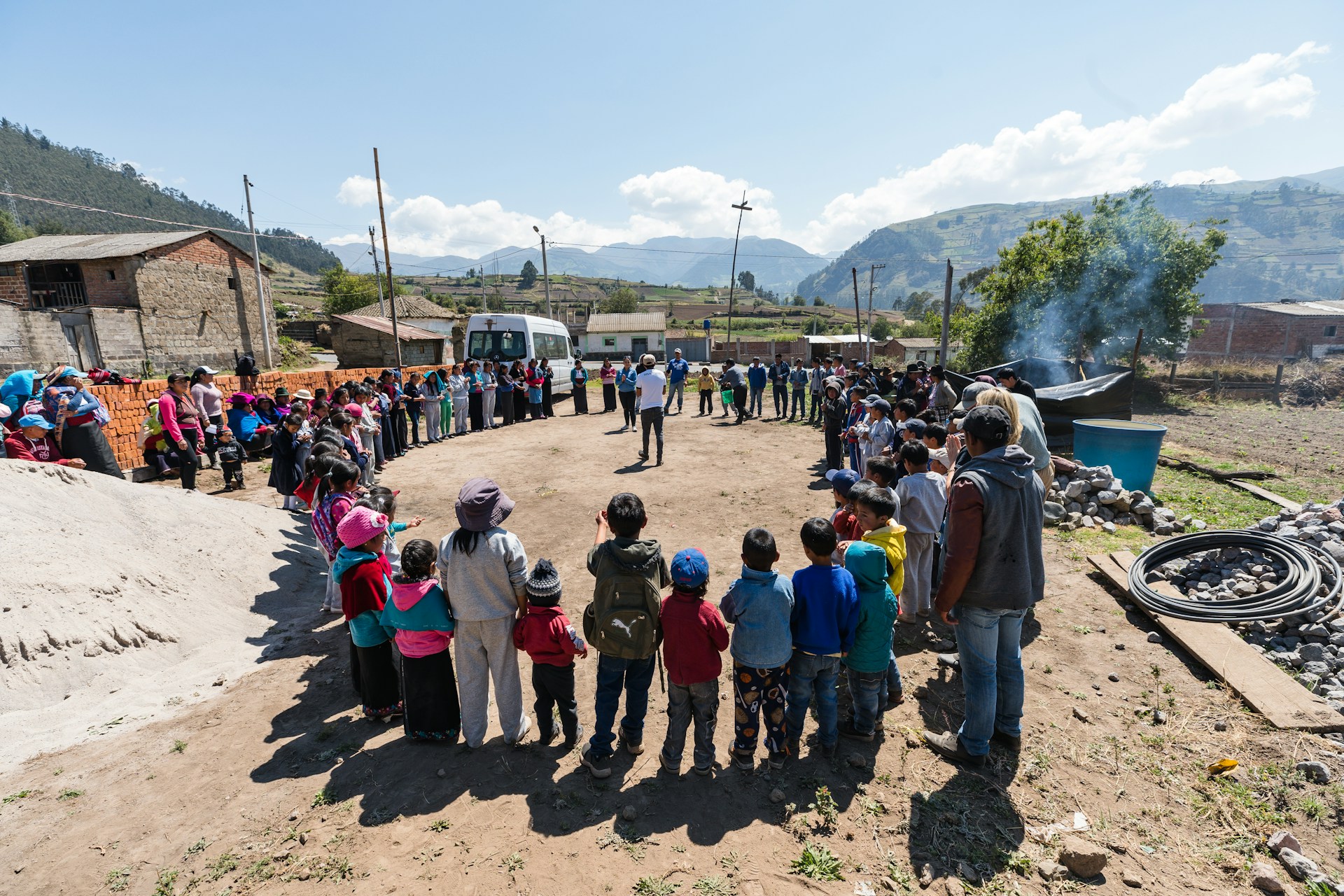
Relying solely on government is unrealistic given resource constraints and bureaucracy. Self-help initiatives have historically driven progress in rural and urban communities.
Examples include building roads, boreholes, schools, and health centers through communal labor and levies in places like Nsukka and Ohafia. These projects foster ownership, faster delivery, and cost-effectiveness.
Impacts: Enhanced infrastructure, social cohesion, skill development, and empowerment. They supplement government efforts and create a culture of self-reliance, reducing dependency.
Challenges: Funding shortages, leadership disputes, and elite capture. Sustainability requires planning, transparency, and partnerships.
Communities should continue self-help while demanding accountable governance. Hybrid models yield the best results, shaping resilient, proactive societies.
Decades of waiting for government to deliver has left many Nigerian communities disillusioned. While the state has irreplaceable roles in policy, large infrastructure, and standards, exclusive dependence breeds apathy and underdevelopment. Community development projects prove that citizens can drive progress, shape society from below, and even attract better government partnership
The Community and Social Development Project (CSDP), supported by the World Bank and implemented across many states, exemplifies success. Communities identify priorities boreholes, schools, rural roads, health centers, markets form management committees, contribute labor or funds, and oversee implementation. Results include improved access to water and electricity, higher school enrollment, income gains for small businesses, and better health outcomes. Over 16,000 communities have benefited, empowering marginalized voices including women and youth
Communities that develop themselves become stronger partners
These projects reshape society in profound ways. They build social capital trust, networks, and norms of reciprocity. When neighbors plan, contribute, and monitor together, collective efficacy emerges. People learn project management, financial accountability, and conflict resolution skills transferable to other challenges.
Economically, small wins compound. Electrified communities see more small businesses; better roads expand markets for farmers. Socially, inclusive planning reduces inequality as women and youth gain decision-making seats. Psychologically, success combats learned helplessness citizens shift from spectators to architects of their future.
Other examples abound: self-help rural electrification, cooperative farming schemes, community-built health posts, and diaspora-funded school renovations. Fadama agricultural projects empowered user groups for irrigation and marketing. These bottom-up efforts often outperform top-down impositions that ignore local needs or collapse due to poor maintenance.
Dependence-only mindsets carry costs: abandoned projects, elite capture of resources, and persistent poverty traps. When communities act, they reduce the burden on strained government budgets and create models for scaling. Successful local projects pressure government to perform or partner meaningfully matching funds, technical support, or policy alignment
Challenges include funding gaps, elite dominance, low technical capacity in remote areas, and sustainability after initial enthusiasm. Solutions involve capacity building, transparent governance (public accounts, audits), mentorship from NGOs, and legal recognition of community structures
Ultimately, the question is not “government or community” but smart synergy. Communities that develop themselves become stronger partners, not beggars. They shape society by fostering resilience, innovation, and accountability. Nigeria’s progress will accelerate when more wards and villages embrace this proactive spirit. Development is not a gift from the center it is built together, project by project, community by community.