
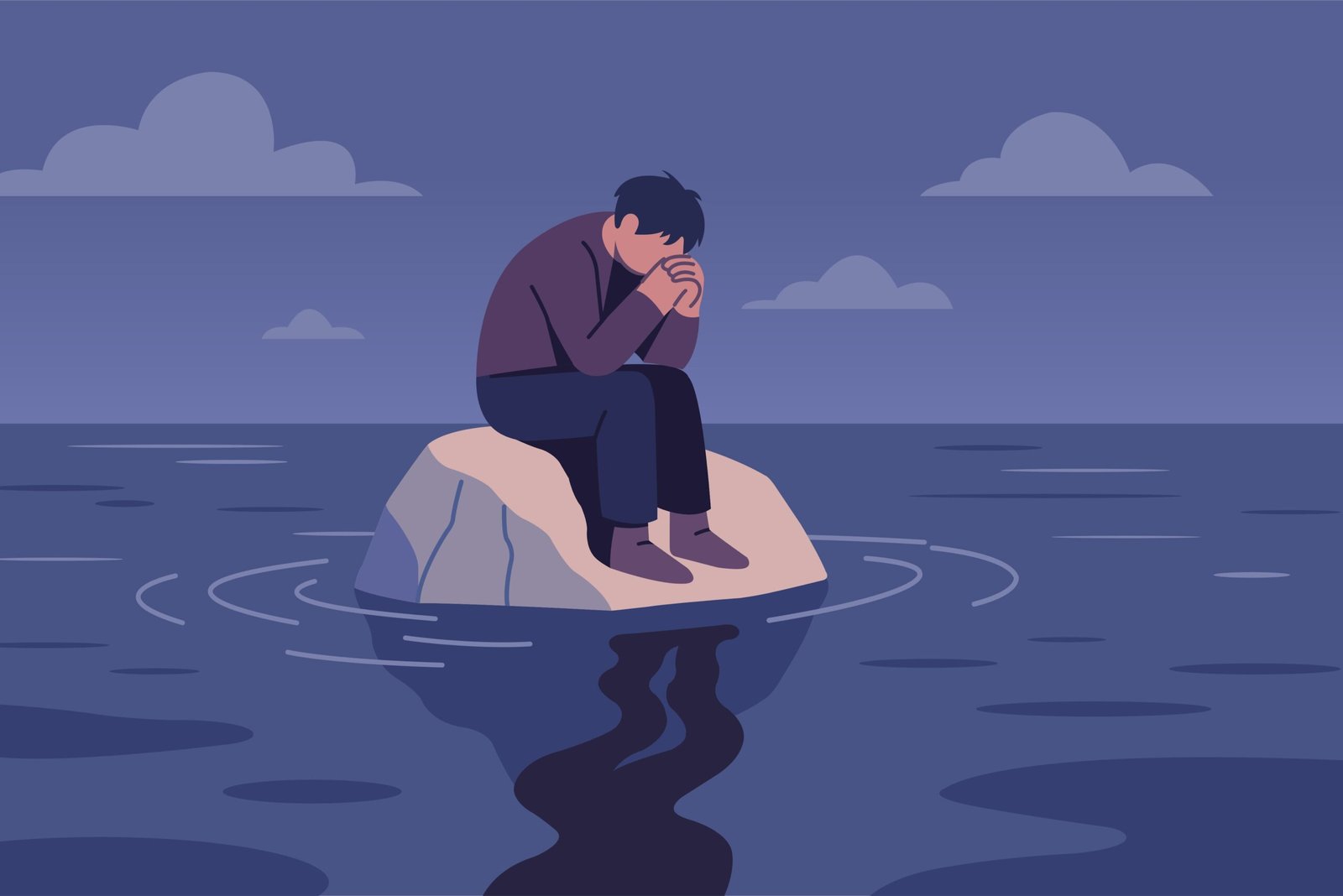
Children living in conflict zones face extraordinary challenges that can significantly affect their physical, emotional, psychological, and social development. Exposure to violence, displacement, loss, and instability can create traumatic experiences with lasting consequences. Understanding childhood trauma and supporting recovery processes are essential for promoting resilience, healing, and long-term well-being among children affected by armed conflict.
Understanding Childhood Trauma in Conflict Settings
Childhood trauma refers to emotional and psychological responses resulting from distressing or life-threatening experiences. In conflict zones, children experience trauma through:
- Exposure to violence
- Forced displacement
- Separation from family members
- Loss of loved ones
- Destruction of homes and communities
- Food insecurity
- Ongoing fear and uncertainty
The cumulative impact of these experiences significantly affect child development and overall well-being.
Children respond differently to traumatic experiences depending on factors such as age, personality, family support, and the duration of exposure to conflict.
many children demonstrate remarkable resilience
The Impact on Child Development
Trauma can affect multiple aspects of child development, including:
Emotional Development: Children may struggle to regulate emotions, manage stress, and form healthy relationships.
Cognitive Development: Exposure to trauma can affect memory, concentration, learning, and academic performance.
Social Development: Children experiencing trauma may have difficulty building trust, interacting with peers, and participating in social activities.
Physical Health: Chronic stress associated with trauma may contribute to long-term health challenges and reduced overall well-being.
The Importance of Family and Community Support
Supportive relationships play a critical role in helping children recover from traumatic experiences. Families, caregivers, educators, and community members can contribute to recovery by providing:
- Emotional support
- Stable environments
- Consistent routines
- Opportunities for social interaction
- Access to education
The Role of Education in Recovery
Schools provide more than academic instruction; they also offer structure, social interaction, and emotional support. Educational environments can contribute significantly to recovery by:
- Restoring routine and stability
- Encouraging peer relationships
- Supporting emotional development
- Providing access to mental health resources
- Promoting hope and future opportunities
Educational access remains a critical component of post-conflict recovery efforts. Despite experiencing severe adversity, many children demonstrate remarkable resilience. Factors that support resilience include Positive family relationships, Access to education, Community support, Safe environments, Mental health services, Opportunities for personal growth
Strengthening these protective factors can improve long-term outcomes for conflict-affected children. Childhood trauma resulting from armed conflict can have profound and lasting effects on development, education, and well-being. However, with appropriate support, education, mental health services, and strong social relationships, children can recover and build resilient futures. Investing in trauma recovery and child protection is essential for promoting healing, stability, and long-term peace in conflict-affected communities.