
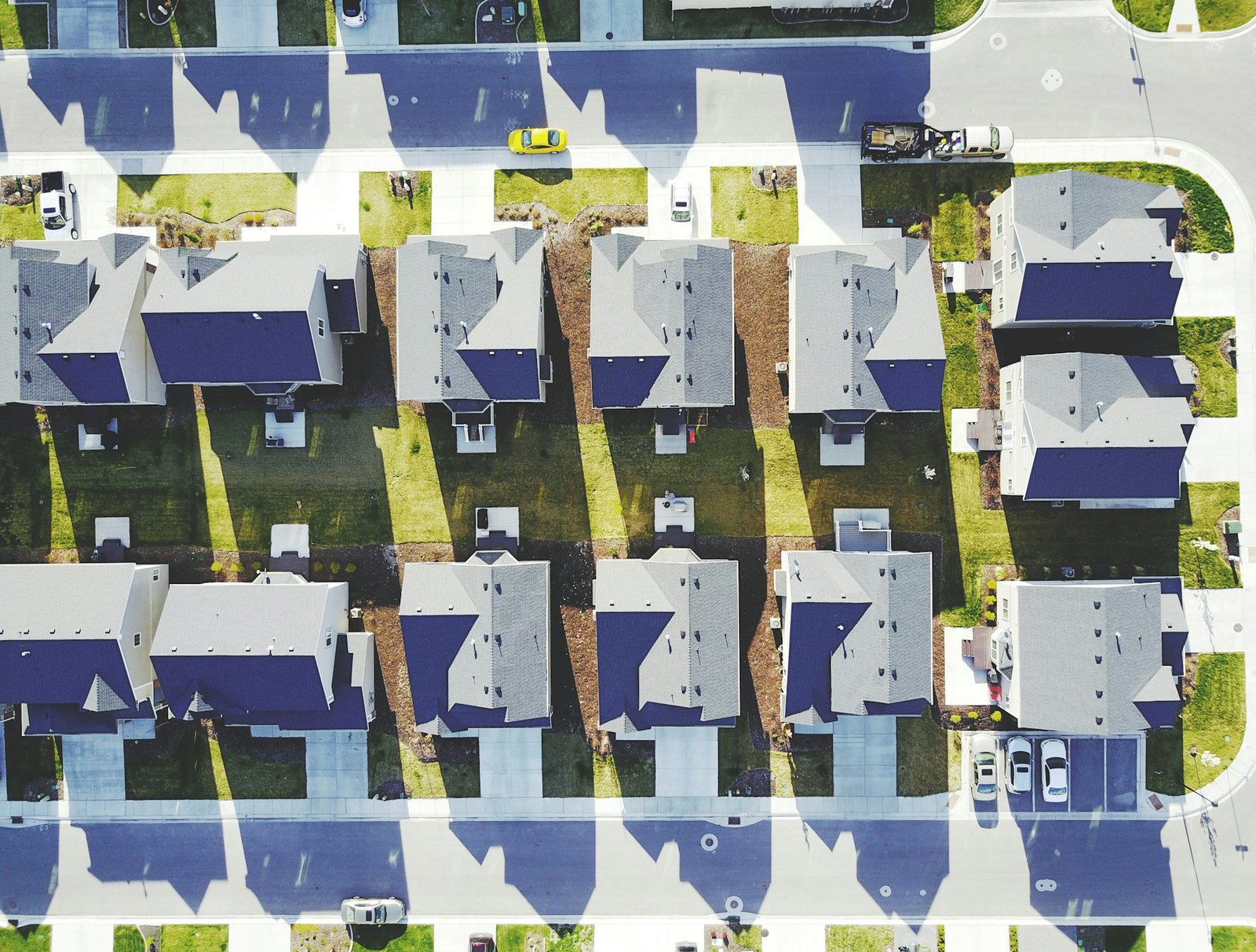
As cities expand at a breakneck pace, a quiet crisis is brewing right beneath the surface: housing choices do not match what the average worker earns. In urban centers across emerging economies, luxury high-rises and gated estates sit empty, while millions of teachers, nurses, bus drivers, and factory workers are forced into overcrowded slums or grueling three-hour daily commutes from distant city fringes. This stark mismatch in urban planning is a recipe for economic inefficiency and social unrest. Nigeria faces a massive housing deficit, with prices far outstripping incomes. Median salaries cannot afford formal homes in major cities, driving slums and informal settlements.
The Illusion of “Development”
Modern urban planning often falls into the trap of prioritizing aesthetics over utility. City planners and private developers frequently design cities for an idealized upper-class demographic, ignoring the actual economic profile of the population. When the median income of a city’s workforce is NGN 77000 a month, but the minimum rent for a standard one-bedroom apartment in the city center is NGN 700,000, the mathematics of the city breaks down. This forces the vital workforce into informal settlements, creating the very slums that planners try so hard to avoid.
When housing matches income realities, families gain stability,
The Economic Cost of Long Commutes
When workers cannot afford to live anywhere near their places of employment, the entire economy suffers. Millions of hours are lost every day to gridlock, draining worker productivity and damaging mental health.
Worker Salary Spent on Transportation: 30% – 40%
Worker Salary Spent on Substandard Housing: 40% – 50%
Disposable Income Remaining: 10% – 30%
A massive chunk of a worker’s disposable income is eaten up by transportation costs, leaving very little for quality food, healthcare, and education. This ensures that the cycle of poverty remains unbroken.
Rethinking Urban Layouts for Social Inclusivity
To bridge this divide, city planners must adopt inclusive zoning laws. Developers should be legally mandated to dedicate a specific percentage of their projects to affordable, low-income housing. Governments must invest heavily in high-density social housing projects and reliable public transit networks that connect residential zones to commercial hubs. A city’s true greatness is not measured by its tallest luxury skyscrapers, but by how comfortably it houses the everyday workers who keep the city running. Community-Driven Responses: Some communities are not waiting for federal solutions. In various states, self-help housing cooperatives pool resources for incremental building. Slum upgrading initiatives, such as those supported by UN-Habitat in Lagos and Onitsha, involve participatory planning where residents co-design improvements. In Ibadan and parts of Lagos, community development associations advocate for mixed-income zoning and incremental housing models using local materials like stabilized earth bricks, successfully applied in projects at the Federal University of Technology, Akure.
Private and NGO efforts show promise. Some developers experiment with rent-to-own schemes, while community land trusts or cooperatives negotiate bulk land purchases to reduce costs. Successful models emphasize flexible planning: allowing smaller plots, higher densities in suitable areas, and incentives for affordable units.
When housing matches income realities, families gain stability, children perform better in school, and local economies thrive. Nigeria’s urban future depends on shifting from elite-focused planning to inclusive, community-shaped models that recognize how most citizens actually live and earn. The power lies in bridging the gap between policy dreams and street-level realities through sustained grassroots advocacy and innovation.