
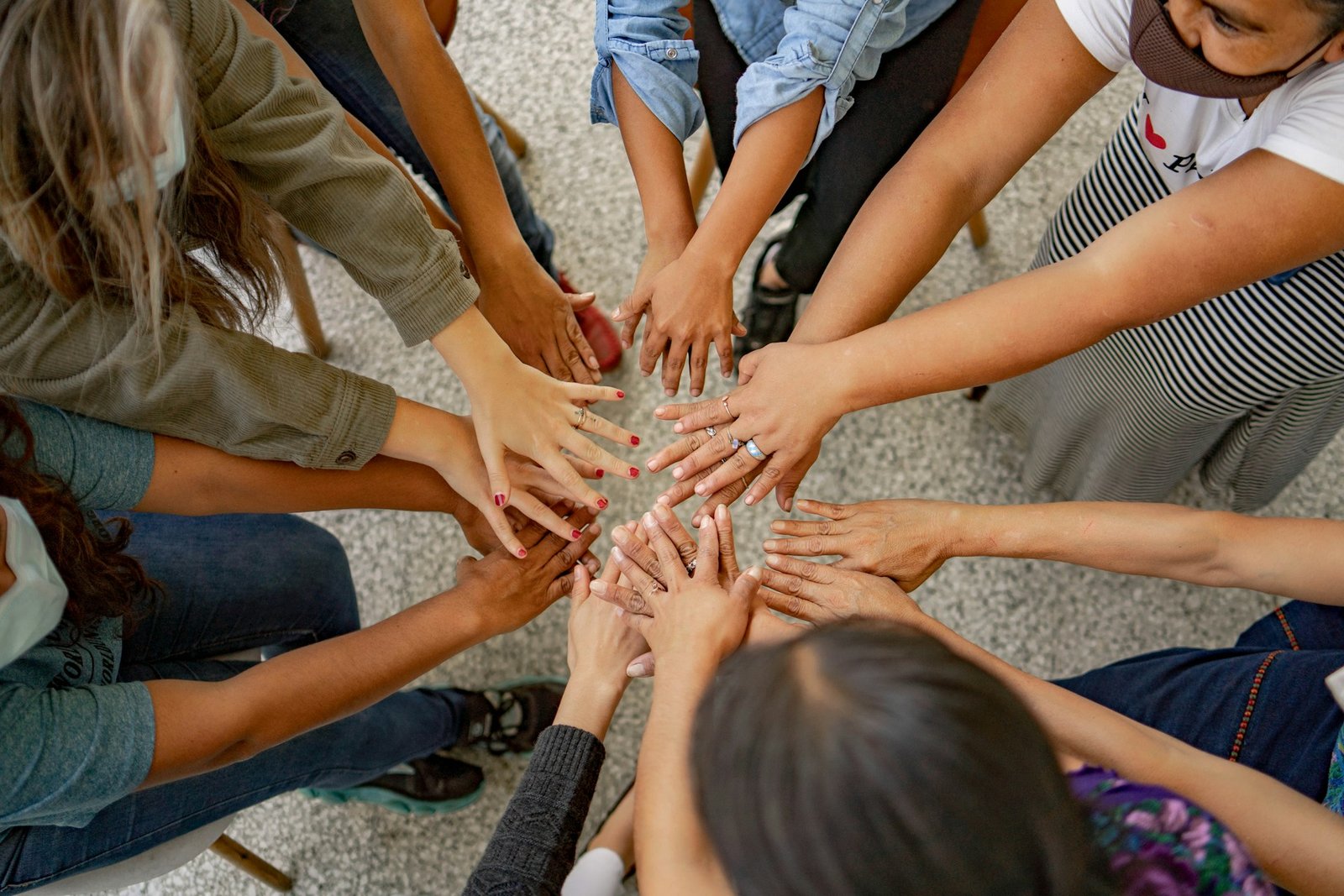
Social inclusion ensuring everyone, regardless of gender, age, disability, ethnicity, or economic status, participates fully in community life remains a pressing need in diverse Nigeria. Exclusion deepens poverty, fuels conflict, and wastes human potential. True equality emerges when communities intentionally create space for marginalized voices
A community is not just a collection of buildings and roads; it is a tapestry of human beings. Too often, however, communities become fractured along lines of tribalism, economic status, religious beliefs, physical abilities, and gender. When certain groups are pushed to the margins, the entire community suffers from a loss of human potential. Building a truly progressive society requires an intentional commitment to social inclusion and equality at the grassroots level.
Identifying the Invisible Barriers
Exclusion in a community isn’t always loud or violent; it is often quiet and institutional. It looks like a town hall meeting where women are excluded from decision-making processes. It looks like a new public library or market built without wheelchair ramps, effectively telling residents with physical disabilities that they are not welcome. It looks like the subtle discrimination faced by families who belong to a minority ethnic or religious group in the neighborhood. Recognizing these subtle barriers is the first step toward dismantling them.
Nigeria’s strength as a diverse nation will be realized when no group is left behind at the community level
The Power of Inclusive Spaces
To foster equality, communities must deliberately create shared spaces and platforms where everyone has a seat at the table.
- Diverse Associations: Ensuring leadership boards reflect the demographic diversity of the area.
- Universal Design: Modifying community infrastructure to be fully accessible to the elderly and disabled.
- Cultural Exchange Days: Celebrating the diverse heritages within the neighborhood to turn suspicion into appreciation.
When people collaborate on shared challenges—like neighborhood security or sanitation prejudices quickly dissolve.
The Economic Dividends of Equality
Social inclusion is an economic catalyst. When women, youth, and marginalized groups are given equal access to community cooperative loans, business spaces, and skill acquisition programs, local commerce thrives.
An inclusive community taps into the creativity, intelligence, and labor of all its members, rather than just a privileged few. True development leaves no one behind, recognizing that our collective strength is determined by how we treat our most vulnerable members.
In education, the SMILE project (Support Mainstreaming Inclusion so all Learn Equally) promotes inclusive schooling for children with disabilities through community sensitization and teacher training. Organizations like NANA run dialogues with traditional leaders to advance gender equity, creating safe spaces and economic programs for women. Corporate initiatives, such as Zenith Bank’s community healthcare centers and PwC’s education bursaries, target underserved groups.
Community Strategies: Effective inclusion starts locally. Peace committees in conflict-prone Middle Belt areas incorporate women and youth for broader perspectives. Cooperatives provide economic entry points women farmers’ groups in Ogun State collectively buy equipment, boosting incomes and status. Intergenerational programs pair elders with youth for knowledge transfer and companionship.
Success factors include strong local leadership, awareness campaigns via religious and market platforms, and data-driven targeting of the most excluded. Challenges like resistance to change or elite capture require transparent governance and external partnerships with NGOs.
When communities prioritize inclusion, outcomes improve across the board: higher school enrollment for girls, better conflict resolution, and innovative solutions from diverse talents. Social equality is not abstract it is built through deliberate daily practices of listening, sharing power, and co-creating opportunities. Nigeria’s strength as a diverse nation will be realized when no group is left behind at the community level.