
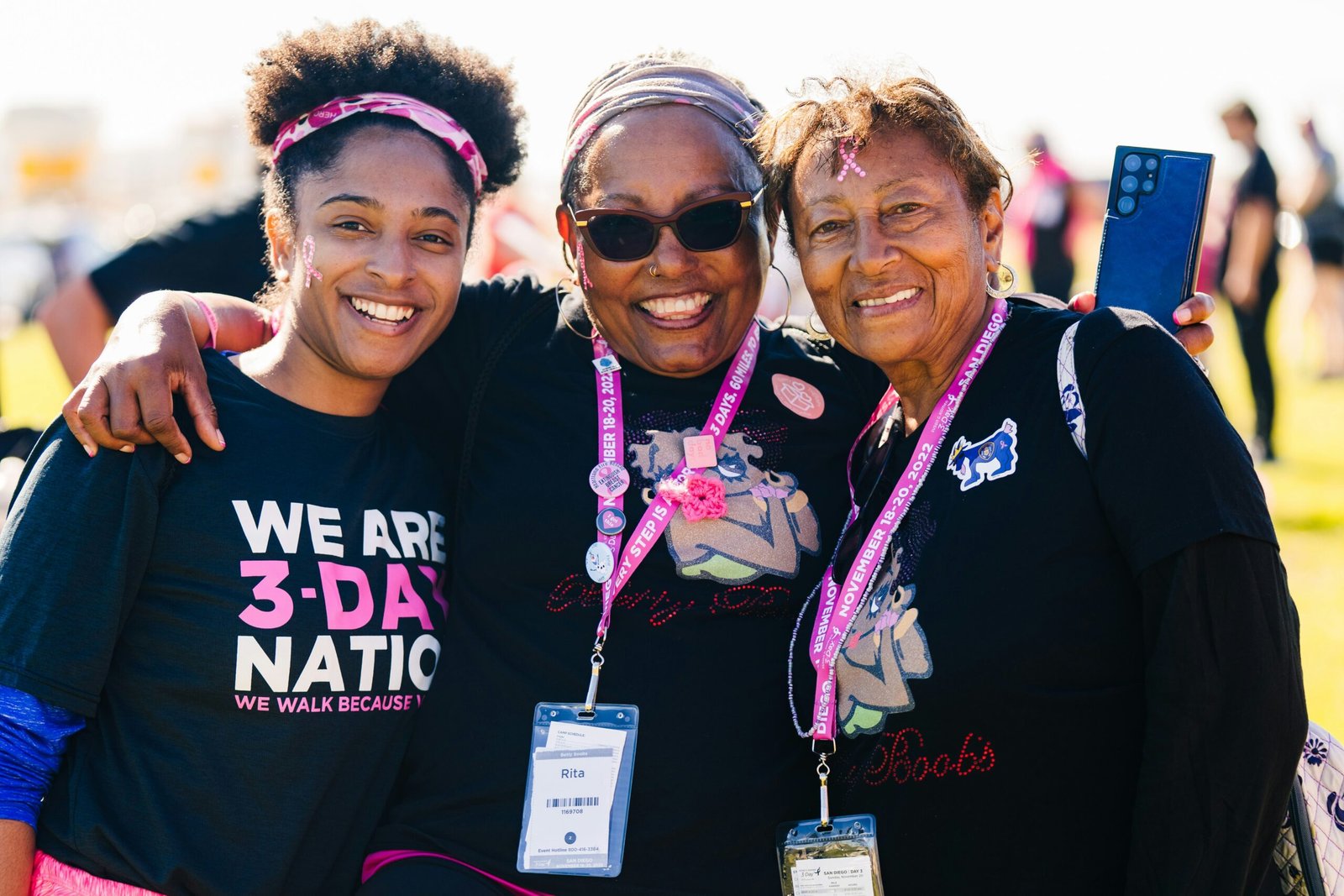
Volunteerism plays a critical role in strengthening communities and promoting social development. By contributing time, skills, and resources without financial compensation, volunteers help address social challenges, support vulnerable populations, and improve community well-being. Volunteer activities foster cooperation, encourage civic responsibility, and create lasting positive impacts on society.
Volunteerism refers to the voluntary contribution of time, effort, and expertise to benefit individuals, organizations, or communities. Volunteers participate in a wide range of activities, including education, healthcare, environmental conservation, social services, disaster response, and community development projects.
The most successful graduates treat their university years as a strategic launchpad
The Role of Volunteerism in Community Development
Communities often face challenges that require collective action and support. Volunteerism helps address these challenges by supplementing public services and mobilizing community resources.
Volunteers contribute by:
- Supporting educational initiatives
- Assisting healthcare programs
- Participating in environmental projects
- Providing social support services
- Organizing community events
- Assisting during emergencies and disasters
Their contributions strengthen communities and improve quality of life.
Strengthening Social Cohesion
Volunteerism brings people together around shared goals and values. Working collaboratively helps build trust, strengthen relationships, and foster social inclusion.
Benefits of increased social cohesion include:
- Stronger community relationships
- Greater mutual support
- Improved communication
- Increased civic participation
- Enhanced community resilience
Communities with strong social connections are often better equipped to address challenges and recover from crises.
Supporting Vulnerable Populations
Many volunteer initiatives focus on supporting individuals and groups facing social, economic, or health-related challenges. Volunteers may assist:
- Children and youth
- Older adults
- People with disabilities
- Low-income families
- Refugees and displaced populations
- Individuals experiencing emergencies
Economic Benefits of Volunteerism
Volunteer contributions provide significant economic value by supporting services that might otherwise require substantial financial resources. Volunteer efforts can:
- Reduce community costs
- Support nonprofit organizations
- Improve local services
- Encourage economic participation
- Strengthen community infrastructure
Encouraging Civic Responsibility
Volunteerism promotes a culture of civic engagement and social responsibility. Individuals who volunteer often become more engaged in broader community activities and public affairs.
This increased participation contributes to stronger democratic institutions and more active communities.
Overcoming Barriers to Volunteer Participation
Challenges such as limited time, financial constraints, lack of awareness, and insufficient opportunities can discourage volunteer participation. Communities can encourage volunteerism by:
- Creating accessible opportunities
- Providing volunteer training
- Recognizing volunteer contributions
- Promoting awareness campaigns
- Supporting flexible participation options
Volunteerism is a powerful force for community development and social progress. Through service, collaboration, and civic engagement, volunteers contribute to stronger communities, improved social outcomes, and enhanced quality of life. Encouraging volunteer participation can help build more inclusive, resilient, and prosperous societies.