
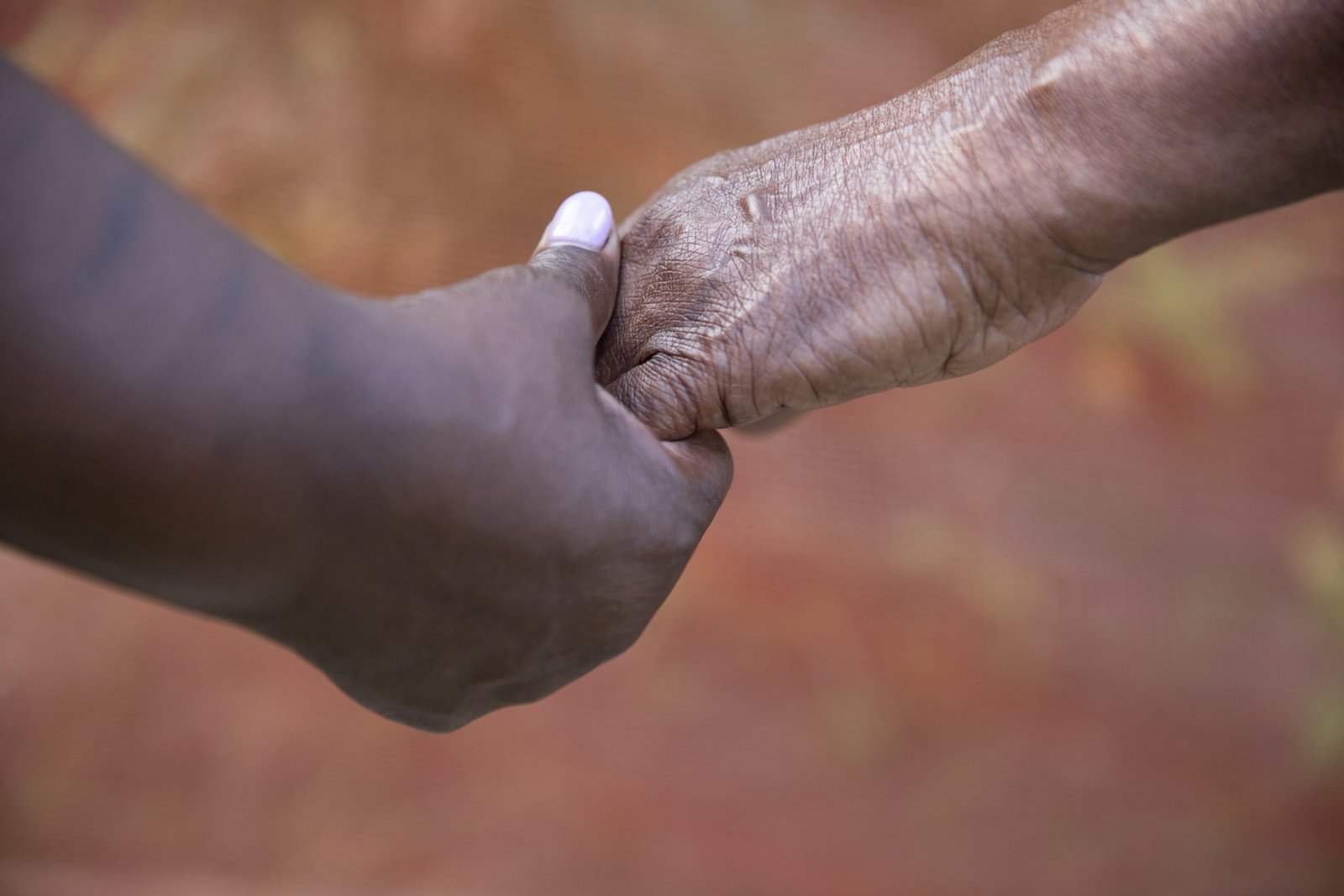
A society’s moral health can be accurately judged by how it treats two groups: those at the dawn of life (children) and those at its twilight (the elderly). In many traditional societies, senior citizens were historically cared for within large, extended family units. However, modern urbanization, economic pressures, and the migration of young people in search of jobs have fractured these traditional support systems. Today, many elderly residents find themselves isolated, neglected, and struggling with health issues alone in their homes. We must build community-based elderly care systems to support them.
Addressing the Silent Crisis of Isolation
For senior citizens, physical health challenges like arthritis, diabetes, and failing eyesight are often compounded by a less visible enemy: loneliness. When children move away and peers pass on, the resulting social isolation can accelerate cognitive decline and depression. Communities can combat this by establishing senior centers or organizing weekly social gatherings. These spaces allow senior citizens to socialize, play games, share stories, and feel valued.
When children move away and peers pass on, the resulting social isolation can accelerate cognitive decline
Creating Local Care Infrastructures
We don’t necessarily need multi-million-dollar nursing homes to care for our seniors; we can achieve incredible results through coordinated community volunteer networks.
[Youth Volunteers] ──(Weekly Visits)──➔ [Elderly Residents] ➔ Benefits: Health Checks, Errands, Companionship
Neighborhood associations can keep a registry of all elderly residents living alone. Volunteer groups—particularly youth and student organizations—can be assigned to visit these seniors regularly to assist with grocery shopping, basic house cleaning, or simply to provide companionship. Furthermore, local clinics can organize monthly, home-based health checkups to monitor their vital stats and manage medications.
Honoring the Keepers of Wisdom
Caring for the elderly is not an act of charity; it is an act of justice and gratitude. Senior citizens hold decades of institutional memory, cultural wisdom, and life experience. By integrating them into community mentoring programs, youth assemblies, and advisory boards, we keep them engaged and purposeful. Taking care of our elders ensures they live out their final years with dignity, while teaching the younger generation the profound value of empathy, respect, and community continuity.