
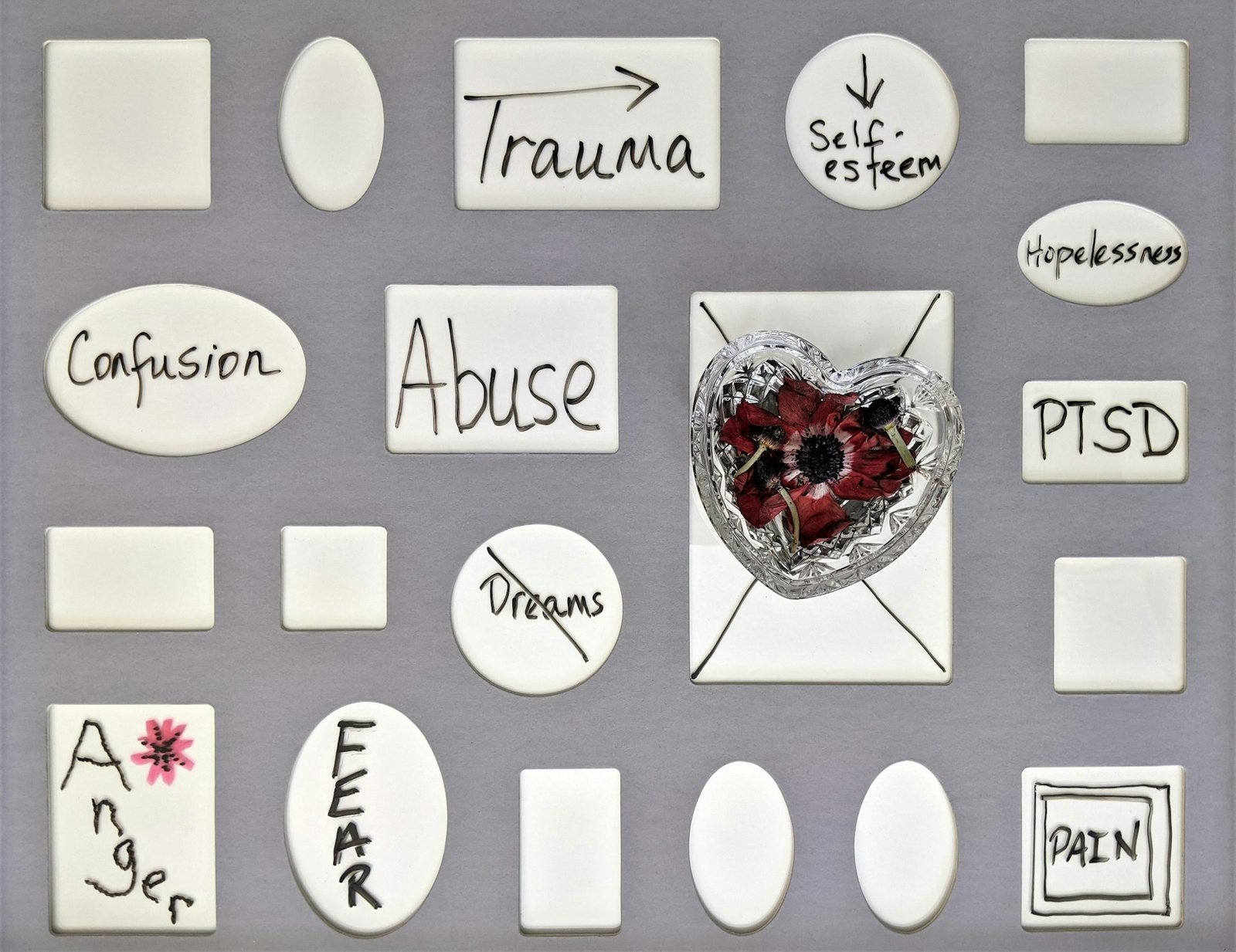
In Nigeria, when people talk about domestic abuse, most immediately think of physical beating black eyes, bruises, or broken bones. But there is a more silent, more common, and equally destructive form happening in many homes: emotional abuse. It leaves no visible scars, yet it destroys self-esteem, mental health, spiritual confidence, and sometimes leads to depression or even suicide.
Many men are dying slowly in marriages and relationships because their partner constantly criticises, controls, humiliates, or manipulates them emotionally all while society says “manage it,” “pray harder,” or “no marriage is perfect.”
This article is for anyone experiencing emotional abuse or suspecting their loved one is going through it. You are not crazy. It is real. And you deserve better.
Why Emotional Abuse is So Common
Several factors make emotional abuse thrive in our society:
– Culture of silence and “endurance” in marriage.
– Religious teachings that emphasise submission without balance or wisdom.
– Extended family pressure that forces people to stay “for the children” or “because of what people will say.”
– Hustle stress that makes people short-tempered and verbally abusive.
– Lack of awareness many victims and abusers don’t even know it is abuse.
Emotional abuse is especially dangerous because it is subtle. It starts small and grows over time until the victim feels worthless.
Common Signs of Emotional Abuse in Relationships
- Constant Criticism and Belittling
Practical Example: A wife works hard as a teacher but her husband says daily, “Your salary is useless,” “My friends’ wives are doing better,” or “You are not as smart as my ex.” Over time, she starts believing she is worthless.
- Controlling Behaviour
Monitoring phone, restricting movement, deciding what she wears, or isolating her from friends and family.
Practical Example: A husband forbids his wife from attending her church women’s meeting or seeing her siblings, saying “They are teaching you bad things.”
- Gaslighting
Making the victim doubt their reality.
Practical Example: “I never said that,” “You are too sensitive,” “No one else complains about me it must be you,” or “You are imagining things because of village people.”
- Public Humiliation
Practical Example: During family gatherings a man mocks his wife’s cooking, weight, or education in front of relatives, turning it into “jokes.” Everyone laughs except her.
- Emotional Withholding and Silent Treatment
Punishing with long periods of silence, withholding affection, or refusing to communicate for days or weeks.
- Threats and Manipulation
Threatening divorce, taking the children, or “I will tell everyone what you did” to control behaviour.
- Financial Abuse (Emotional Angle)
Giving money like a master to a servant, demanding receipts for every expense, or making the partner beg for money for basic needs.
- Comparing with Others
Constantly comparing to exes, siblings, or friends’ spouses.
Effects of Emotional Abuse
– Low self-esteem and depression
– Anxiety and constant fear
– Physical health problems (high blood pressure, insomnia)
– Spiritual dryness — many stop praying because they feel unworthy
– Negative impact on children who witness it
– In extreme cases, suicidal thoughts
Let us break the culture of silence
How to Recognise You Are in an Emotionally Abusive Relationship
Ask yourself:
– Do I feel afraid to speak my mind?
– Do I feel smaller and less confident since this relationship started?
– Am I constantly walking on eggshells?
– Do I feel isolated from people who love me?
– Does my partner make me doubt my reality or sanity?
If you answered yes to several, you may be experiencing emotional abuse.
What to Do If You Are Being Emotionally Abused
- Acknowledge the Truth — Denial keeps you stuck.
- Document Patterns — Write dates and incidents privately.
- Seek Help Early — Talk to a trusted pastor, imam, Christian counsellor, or professional therapist. Many churches now have counselling units.
- Build a Support Network — Reconnect with safe friends and family.
- Set Boundaries — Calmly but firmly state what you will no longer tolerate.
- Prioritise Safety — If emotional abuse is escalating toward physical violence, have an exit plan.
- Heal Intentionally — Prayer, therapy, books, and community support are all important. Forgiveness does not mean returning to abuse.
For Those Who Might Be Emotionally Abusive
Many abusers were once victims or grew up in toxic homes. If you recognise these patterns in yourself, seek help. Real change is possible through repentance, counselling, and accountability. God can transform hearts.
Prevention: Building Emotionally Safe Homes
– Practice kindness and respect daily.
– Learn healthy communication
– Attend marriage seminars and counselling together.
– Teach young people what healthy love looks like.
The Bible says husbands should love their wives as Christ loved the church with gentleness, not harshness. Islam emphasises kindness and mercy in marriage. God does not approve of crushing another person’s spirit in the name of marriage.
Emotional abuse is not “just words.” Words have power they can build or destroy. If you are a victim, know that God sees your tears and your pain. You are valuable. You are not crazy. Help is available.
To every man suffering in silence: Your manhood is not defined by how much you can endure in pain. Real strength includes seeking help and choosing peace. To every woman going through this: You are valuable beyond your service to any man.
To everyone reading: Let us break the culture of silence. Check on your married friends, siblings, and church members. Create safe spaces where people can speak up without shame.
Marriage should add to your life, not slowly destroy you. Choose peace. Choose healing. Choose freedom.
You are stronger than you think, and brighter days are possible. Your mental health and peace of mind are worth fighting for.