
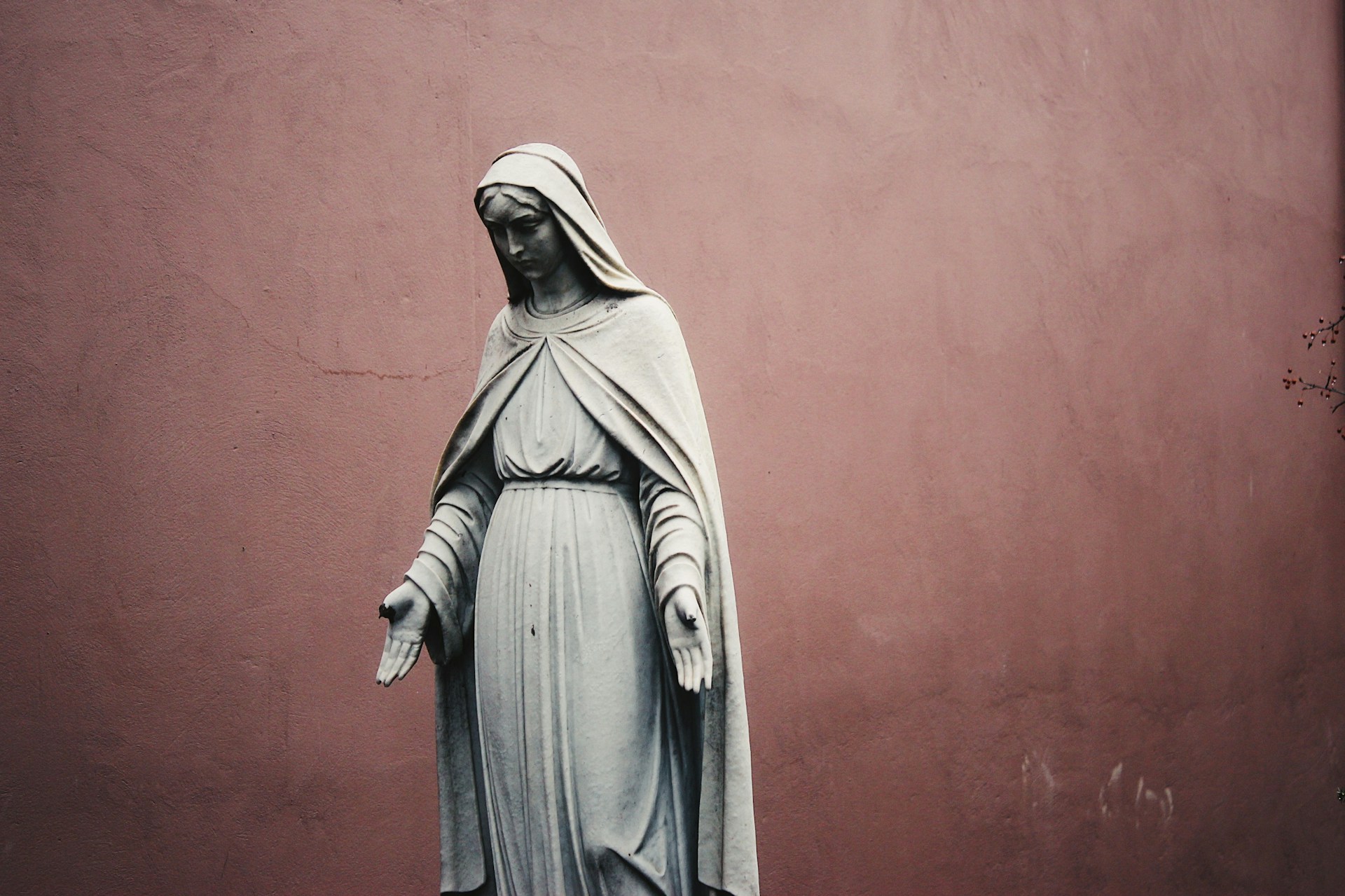
Christianity in Nigeria is incredibly diverse, but many people still do not fully understand the differences between Catholic, Anglican, and Protestant churches.
The Catholic Church is one of the oldest Christian institutions in the world, led globally by the Pope in Rome. Catholic worship is highly structured and places strong emphasis on sacraments, saints, and church tradition.
The Anglican Church emerged in England during the 16th century after separating from the Catholic Church. Anglican worship maintains many traditional practices while allowing more flexibility in leadership and structure.
Protestant churches grew from movements that challenged certain Catholic practices during the Reformation led by figures like Martin Luther.
Today, Pentecostal churches, evangelical ministries, and many modern Nigerian churches largely fall under broader Protestant Christianity.
In Nigeria, these denominations have shaped:
- education
- healthcare
- politics
- morality
- and community development
Many of Nigeria’s oldest schools and hospitals were established by Christian missions.
Christianity in Nigeria has also evolved into a powerful social force influencing music, media, business, and politics.
Christianity is one of the most influential forces in society. Churches exist in almost every neighborhood. But despite Christianity’s massive presence in Nigeria, many people still do not fully understand the origins and differences between major Christian denominations like Catholic, Anglican, and Protestant churches.
These churches have shaped Nigerian history for generations and continue to influence millions of lives today.
Christianity remains deeply rooted in Nigerian society
How Christianity Spread Across the World
Christianity began over 2,000 years ago based on the teachings of Jesus Christ in the Middle East.
After the death and resurrection of Jesus according to Christian belief, his followers spread Christianity across Europe, Asia, and eventually Africa.
Over time, Christianity developed into different branches because of disagreements over leadership, doctrine, worship style, and church authority.
The three most influential Christian traditions connected to Nigeria today are:
- Catholicism
- Anglicanism
- and Protestant Christianity
Why Pentecostal Churches Became So Popular in Nigeria
Pentecostal churches gained popularity because they strongly connect religion to:
- personal transformation
- miracles
- prosperity
- healing
- spiritual warfare
- and emotional worship
Many Nigerian youths are attracted to Pentecostal churches because services often feel energetic, modern, and relatable.
The Challenges Facing Christianity in Nigeria
Despite its influence, Christianity in Nigeria also faces criticism.
Some critics argue that:
- prosperity preaching has become excessive
- church commercialization is increasing
- and accountability among some religious leaders is weak
Others believe denominational rivalry sometimes creates unnecessary division among Christians.
Social media has also increased public questioning of religious teachings and leadership structures.
Still, Christianity remains deeply rooted in Nigerian society and continues to shape millions of lives emotionally, socially, and spiritually. Catholic, Anglican, and Protestant churches have all played major roles in shaping Christianity in Nigeria. Although they differ in worship style, leadership, and doctrine, they all contributed significantly to education, social development, and religious life across the country. Today, Christianity in Nigeria continues to evolve through technology, youth culture, and modern social realities.
Yet one thing remains clear:
Religion still holds enormous influence in shaping identity, values, and community life in Nigerian society.