
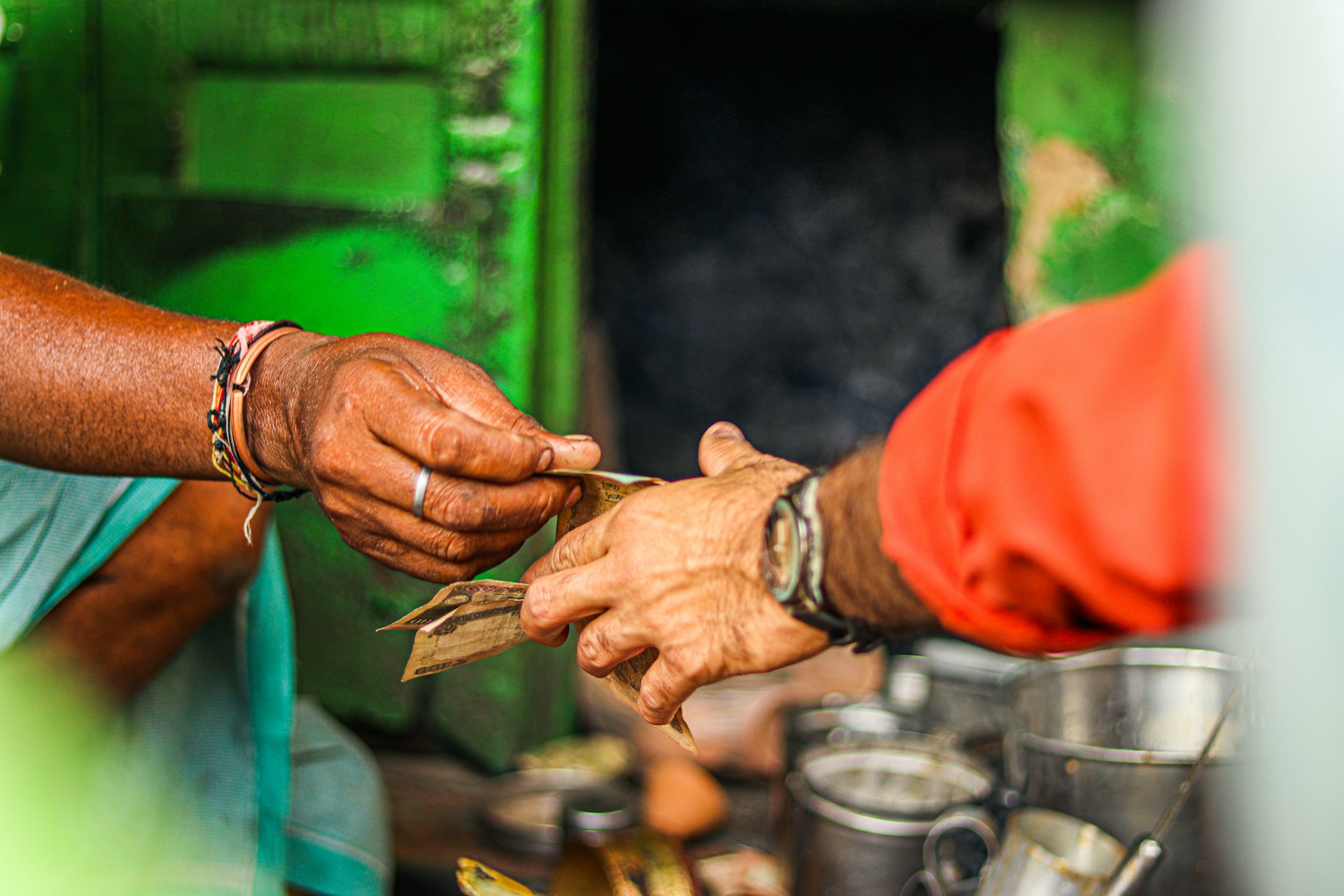
Few religious topics create as much debate in Nigeria today as tithing, offerings, and church finances.
For millions of Christians, giving money in church is viewed as an important spiritual responsibility connected to obedience, gratitude, and faith. Many believers see tithes and offerings as acts of worship capable of attracting blessings and supporting God’s work.
But over the years, public conversations around church money have become increasingly controversial.
Economic hardship and the rise of mega churches have caused many Nigerians especially young people to question how money is collected, used, and discussed in modern churches.
Some people believe giving remains a biblical principle that strengthens both faith and community support.
Others argue that certain churches have commercialized religion and placed unhealthy financial pressure on struggling worshippers.
Let’s Understand Tithes and Offerings
In Christianity, a tithe traditionally refers to giving one-tenth of one’s income to support religious work.
Offerings, on the other hand, are voluntary financial contributions given during church services or special programs.
Churches use these funds for:
- salaries
- building projects
- charity programs
- evangelism
- media outreach
- maintenance
- and operational costs
Historically, church giving helped religious institutions survive and support communities.
Many Nigerian churches today still provide:
- scholarships
- food support
- healthcare assistance
- orphanage programs
- and humanitarian relief
because of donations from members. Religion plays a major emotional role in Nigerian society.
it gives them hope for breakthrough and divine intervention.
For many believers, giving financially is seen as:
- an act of gratitude to God
- proof of faith
- and a seed for future blessings
Some Christians believe tithing protects finances spiritually and opens doors for prosperity.
In difficult economic times, many people hold onto religious giving because it gives them hope for breakthrough and divine intervention.
Churches also often encourage members to contribute toward:
- church expansion
- missionary work
- community development
- and helping vulnerable people
To devoted believers, giving is therefore not simply about money but about faith and spiritual commitment.
Effect of Prosperity Preaching
One major reason church finances became controversial is the rise of prosperity preaching.
Prosperity teachings generally emphasize:
- financial breakthrough
- success
- miracles
- abundance
- and wealth as signs of divine favor
Many Nigerian pastors preach that:
- consistent giving attracts blessings
- sacrificial offerings unlock opportunities
- and financial seeds can produce miracles
Supporters believe these teachings encourage faith, ambition, generosity, and positive thinking.
Critics, however, argue that prosperity preaching sometimes exploits vulnerable people desperate for economic relief.
Economic Hardship and Public Frustration
Nigeria’s economic challenges have intensified public criticism around church money.
With rising inflation, unemployment, and poverty, many young Nigerians now question why struggling members are still pressured to give aggressively.
Critics often ask:
- Why are poor people expected to donate heavily?
- Why do some pastors live luxurious lifestyles while members suffer?
- Why do churches rarely discuss financial transparency publicly?
Social media has amplified these concerns dramatically.
Videos of pastors owning:
- private jets
- luxury cars
- expensive properties
- and lavish lifestyles
often trigger heated online debates, Despite criticism, churches remain important support systems for many Nigerians.
Religious institutions often help members through:
- welfare assistance
- counseling
- scholarships
- job connections
- and emotional support
During difficult periods like:
- sickness
- unemployment
- bereavement
- or financial crisis
church communities often become major sources of comfort and assistance.
Some churches also run:
- schools
- hospitals
- feeding programs
- and charity foundations
that positively impact society.
The Difference Between Faith and Exploitation
One major challenge in these conversations is separating sincere faith from manipulation.
Many Nigerians genuinely give because of personal conviction and spiritual belief.
However, critics argue problems arise when:
- fear is used to pressure members
- blessings are overly commercialized
- or giving becomes connected to public status
Some people believe religion should encourage generosity without creating guilt or unrealistic expectations.
Tithes and offerings remain deeply important to millions of Nigerian Christians.
For many believers, giving is a spiritual act connected to worship, faith, and gratitude.
But modern economic hardship, social media exposure, and prosperity preaching have created difficult questions about money, accountability, and religious leadership.
The debate around church finances is unlikely to disappear anytime soon because it reflects larger conversations about faith, power, trust, and survival in modern Nigerian society.
Ultimately, many Nigerians still believe religion should inspire generosity and compassion — but they also increasingly expect transparency, responsibility, and integrity from those leading spiritual institutions.