
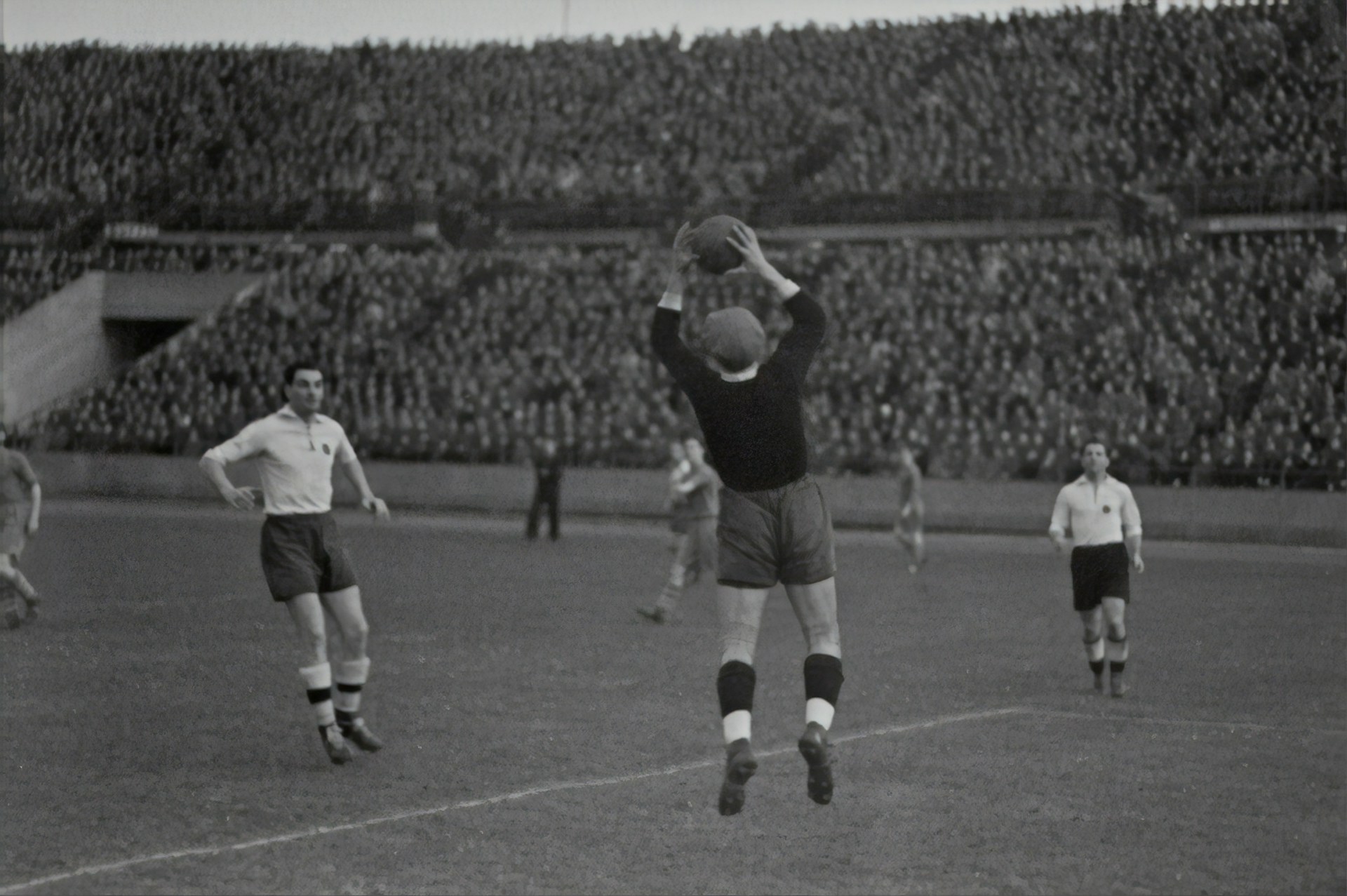
Before endorsement deals, million-dollar contracts, and global media rights turned sports into a massive industry, being an athlete was rarely a full-time, financially secure career. Talent alone did not guarantee stability. Many athletes trained hard, competed at high levels, and still had to work regular jobs just to survive.
This wasn’t just a foreign reality it played out locally for decades, and in some cases, it still does.
When Passion Didn’t Pay
Today, it’s easy to assume that professional athletes have always earned well. But historically, most sports did not generate enough revenue to sustain players. Even at elite levels, earnings were inconsistent.
Globally, one of the most famous examples is Michael Jordan. Before his rise turned basketball into a commercial powerhouse, many players in earlier NBA generations earned modest salaries compared to today’s standards. Some worked offseason jobs to supplement income.
In football, before the explosion of TV rights and sponsorships, players in Europe often earned wages closer to regular workers than global celebrities.
Locally, the situation was even more limited.
The Nigerian Reality
For a long time, athletes competing in national leagues or representing the country were not financially secure. Footballers in the domestic league often faced delayed salaries, poor welfare conditions, and uncertain contracts.
It wasn’t uncommon for players to combine football with side hustles small businesses, coaching, or even completely unrelated jobs.
Track and field athletes faced even tougher conditions. Unlike football, athletics didn’t have strong commercial backing. Many trained with minimal support, relying on personal funding or occasional stipends.
Even at the national level, stories of athletes struggling financially were not rare. Some represented the country at international competitions and returned to little or no financial reward.
Jay-Jay Okocha and Nwankwo Kanu built successful international careers
Education as a Safety Net
Because sports income was unreliable, many athletes treated education as their primary plan.
This is why student-athlete systems became important. Schools and universities provided a structure where athletes could train while pursuing a degree. The idea was simple: if sports didn’t work out, there would be something to fall back on.
Even today, many parents still prioritise education over sports for this reason. The perception is rooted in reality sports careers can be short, unpredictable, and dependent on factors beyond talent.
Government Support vs Practice
Over the years, policies have been introduced to support athletes; training camps, sponsorship deals, and reward systems for international success.
However, implementation has often been inconsistent.
There have been cases where athletes who won medals at major competitions faced delays in receiving promised rewards. Others struggled with inadequate preparation due to funding issues.
For example, ahead of some international tournaments, reports have surfaced of athletes protesting unpaid allowances or poor training conditions. These are not isolated incidents they reflect systemic gaps.
The result is a situation where athletes must rely on personal resilience rather than structured support.
The Rise of Commercial Sports
Things began to change as sports became more commercialised.
Globally, broadcasting rights transformed leagues into major revenue generators. Sponsorship deals increased, and athletes became marketable brands.
Locally, football benefited the most from this shift. The growth of European leagues created pathways for Nigerian players to earn significantly higher incomes abroad.
Players like Jay-Jay Okocha and Nwankwo Kanu built successful international careers, changing perceptions about what was possible financially.
Their success influenced a generation, showing that sports could be more than passion it could be a viable career.
The Gap Still Exists
Despite progress, the gap between elite and average athletes remains wide.
Top footballers playing abroad earn well, but many athletes within local systems still face challenges. Salaries in domestic leagues can be inconsistent. Sponsorship opportunities are limited outside major sports.
Athletes in less popular disciplines wrestling, athletics, table tennis often rely on government support or personal funding.
This creates an uneven system where a few succeed at a high level while many struggle quietly.
Why This History Matters
Understanding this history explains current attitudes toward sports.
Why do many parents hesitate to fully support sports careers? Because they’ve seen how uncertain it can be.
Why do athletes pursue opportunities abroad aggressively? Because local systems may not provide long-term stability.
Why do some athletes still maintain side businesses today? Because the culture of financial caution remains.
Lessons for the Future
If sports is to develop sustainably, the focus cannot be only on elite success.
There needs to be:
- Reliable structures for athlete welfare
- Consistent funding and transparent reward systems
- Development of local leagues into viable industries
- Support for a wider range of sports
Until these are in place, the reality will remain the same for many athletes: talent alone is not enough.