
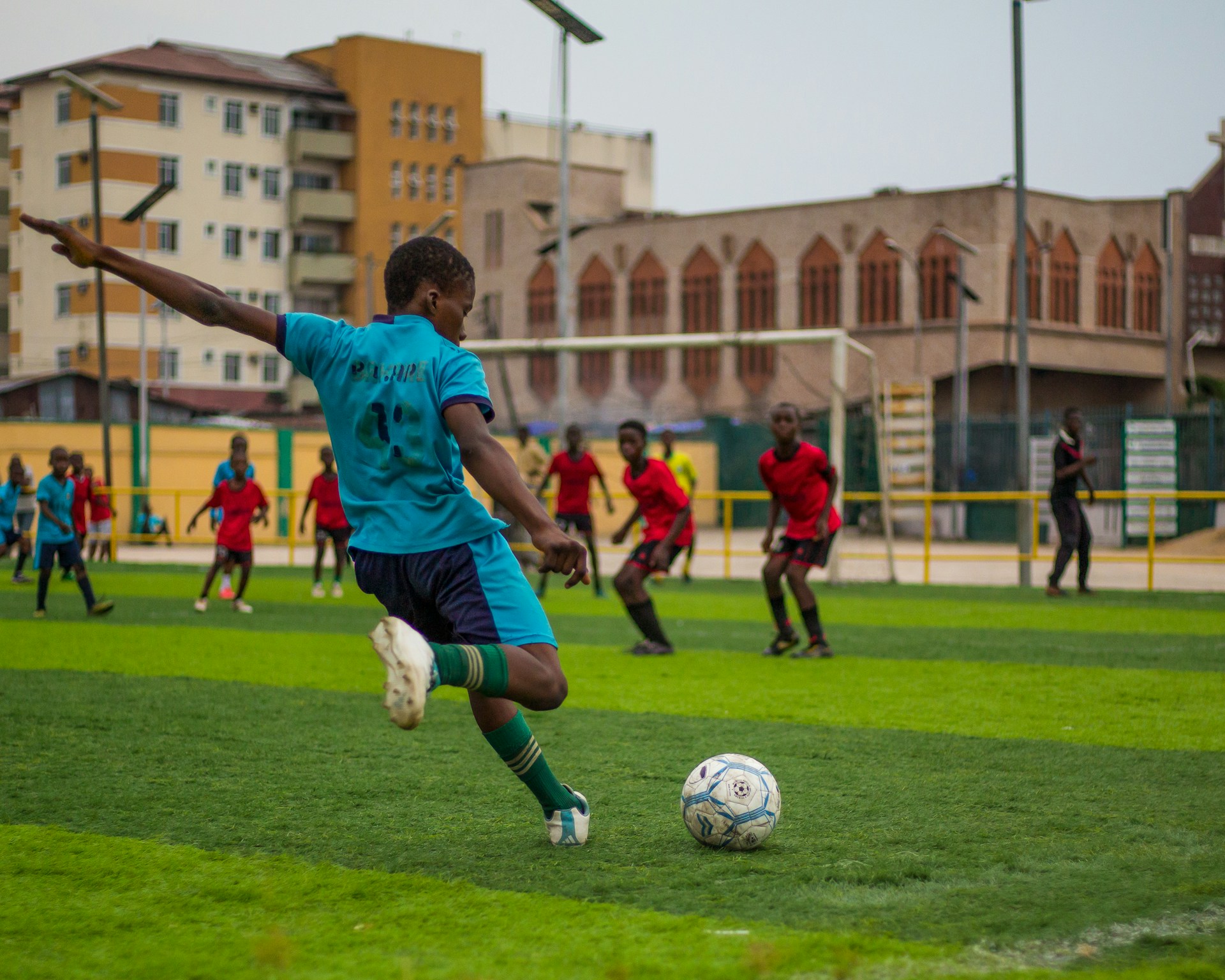
Take the 1996 Atlanta Olympics. Nigeria’s men’s football team, the Dream Team, delivered a moment that still echoes in every discussion about Nigerian excellence. Under coach Jo Bonfrère, a squad full of young stars many still teenagers shocked the football world. They faced giants and came out on top. In the semi-final against Brazil, they trailed early but fought back to win 4-3 in a thriller that had the whole country on its feet. Then in the final against Argentina, with stars like Hernán Crespo and Claudio López on the other side, Nigeria trailed again but showed that never-say-die spirit. Daniel Amokachi equalised, and Emmanuel Amunike struck in stoppage time for a 3-2 victory. Nigeria became the first African nation to win Olympic football gold.
That night in Atlanta was more than a medal. It was hope during one of Nigeria’s darkest political periods under military rule. While the country faced sanctions and uncertainty at home, these boys Nwankwo Kanu, Austin “Jay-Jay” Okocha, Daniel Amokachi, Taribo West, and others gave citizens something to celebrate. People poured into streets in Lagos, Abuja, Enugu, and even remote villages. Cars honked, women danced in wrappers, and for a brief moment, the daily grind of scarcity and uncertainty paused. The team stayed in modest $10 motel rooms, rotating between beds and floors, yet played like millionaires on the pitch. Their success proved that heart, skill, and collective belief could overcome better-funded opponents.
This victory redefined Nigerian football’s global image. Before Atlanta, many saw us as talented but inconsistent. After, the world took notice. It opened pathways for more players to European clubs and inspired a generation of young boys kicking balls on sandy pitches in Agege or using oranges as balls in rural communities. It boosted national pride when the economy and politics weighed heavy. Scholarships, endorsements, and opportunities followed for some, though not evenly. The moment taught a clear lesson: preparation meets opportunity. Those players trained through local challenges uneven pitches, limited kits, and inconsistent support yet delivered when it counted.
Chioma Ajunwa’s long jump gold at the same Games added another layer. She became Nigeria’s first individual Olympic gold medallist and the first black African woman to win Olympic gold in a field event. Jumping 7.12 metres on her first attempt in the final, Ajunwa soared into history. Her journey was not smooth. A multi-talented athlete who also played football, she faced suspension earlier in her career but returned stronger. She trained with determination despite the realities many female athletes face here balancing family expectations, limited facilities, and societal pressures. Her win broke barriers for women in sports and inspired countless girls to dream beyond traditional roles.
They attract sporadic investment and open scholarship doors
Ajunwa’s story hits home because it mirrors the grind many Nigerian women navigate. From training in basic conditions to dealing with post-success recognition gaps, she spoke openly about feeling overlooked compared to the football team. Yet her achievement stands as proof that individual excellence can emerge from our system. It encouraged more investment in women’s sports, even if progress has been slow. In communities from Benin to Maiduguri, girls now point to her as evidence that barriers can be jumped.
Fast forward to Tobi Amusan’s explosive performance at the 2022 World Athletics Championships in Oregon. In the semi-final of the women’s 100m hurdles, she clocked 12.12 seconds a new world record, shaving 0.08 off the previous mark. In the final, she ran even faster (12.06), though wind assistance ruled it out for record purposes. Amusan became Nigeria’s first world champion in track and field. The “accidental hurdler” who switched events through fate dominated the world stage.
Her record sent shockwaves. In Nigeria, people celebrated in offices, markets, and on social media. It was validation during another period of economic pressure. Amusan trained through the usual hurdles inconsistent sponsorship, facility issues, and the mental toll of representing a country with high expectations but variable support. Her success showed modern athletes can still break global barriers. It inspired young hurdlers in secondary school tracks across the country and highlighted the depth of talent in Nigerian athletics, even when resources lag.
Go further back to Dick Tiger, born Richard Ihetu in Amaigbo. In the 1960s, this boxer from humble beginnings became a two-time undisputed world champion in middleweight and light heavyweight divisions. He learned boxing from British military officers, turned professional in 1952, and rose through the ranks in England and America. In 1962, he defeated Gene Fullmer to claim the WBA middleweight title. He defended it in Nigeria the first world title fight hosted on African soil outside apartheid South Africa. Tiger’s tenacity in the ring, combined with his later service in the Biafran army during the civil war, made him a symbol of resilience.
His fights were broadcast or reported back home, giving pride to a young nation. In an era with minimal infrastructure, Tiger showed that raw skill and determination could conquer the world. Many boxers and athletes who followed drew inspiration from his story. He kept boxing alive during industry slumps and proved African fighters belonged at the top. Post-career challenges reminded everyone that glory needs planning, but his achievements remain etched in history.
These moments Atlanta 1996 football, Ajunwa’s leap, Amusan’s record, Tiger’s titles, and others like the 1980 AFCON win on home soil or the U-17 World Cup successes ripple outward. They redefine possibilities. They prove talent from local fields, sandy pitches in Surulere, or village grounds can compete when grit meets the big stage. They boost national pride during tough times, whether political instability, economic hardship, or fuel subsidy removals that spike transport costs. They attract sporadic investment and open scholarship doors, though follow-through often disappoints.
In our Nigerian context, these turning points carry extra weight because of daily realities. Athletes train through power outages that stop floodlights mid-session. They run on tracks with potholes or play on pitches flooded after rain. Kits are sometimes shared or worn out. Parents juggle support with school fees and family obligations. Travel to camps means long bus rides or flights delayed by airport issues. Nutrition varies garri and soup one day, whatever is affordable the next. Injuries risk longer setbacks without top medical care. Yet champions emerge.
The Dream Team trained with limited resources but bonded as a unit. Ajunwa pushed through personal and systemic obstacles. Amusan turned potential into world dominance. Tiger fought internationally while carrying national identity. Their unseen work tactical discipline, mental recovery after losses, adapting to poor conditions, and using platforms wisely matters most. Young sportspeople today should study full stories, not just highlights. Watch match footage, read interviews, analyse how they handled pressure. Build similar habits: consistent training despite NEPA, mental strength for setbacks like lost sponsorships, and smart branding for future opportunities.
These moments also expose systemic gaps. Post-Atlanta, Nigerian football saw talent exodus but inconsistent domestic league strength. After big wins, academies and funding promises often fade. Anti-doping infrastructure, consistent coaching education, and welfare for athletes in camps remain challenges. Protests over poor feeding or accommodation in national camps highlight ongoing issues. The lesson is clear: celebrate breakthroughs loudly but build structures quietly. One golden moment inspires millions think streets filled with kids imitating Kanu’s celebrations or girls trying long jumps in school yards. Sustained systems create dynasties.
For anyone chasing excellence whether in sports, business, tech, or academics these moments teach universal truths applicable in Nigeria. Preparation must be deliberate. Talent alone is not enough when facilities are basic. Collective belief and resilience carry you through go-slows, generator fumes, and delayed payments. Use visibility wisely: build personal brands, learn financial management early, network beyond the field. Athletes who transition well invest earnings, gain skills, or coach others. Those who do not often fade, reminding us success needs sustainability.
Parents and communities play roles too. Support dreams without unrealistic pressure. Provide basic nutrition and encouragement even when money is tight. Schools should integrate sports properly not just for PE periods but structured training. Corporate organisations and governments can invest more consistently, not just during major events. The private sector in Lagos and Abuja can sponsor grassroots programmes that feed national teams.
Look at parallels in other areas of life. The entrepreneur in Aba who builds a business despite power costs mirrors the athlete training without lights. The student studying by lantern to pass exams reflects the mental toughness of champions. These sports moments remind us that in Nigeria, where systems sometimes fail, individual and collective determination can still produce greatness.
More moments deserve mention. The 1985 U-17 World Cup win in China launched the Golden Eaglets era and showed youth development works. The 1980 AFCON triumph at home united a nation. Relay teams and Paralympians add layers of inspiration. Each redefined what Nigerians believe possible.