
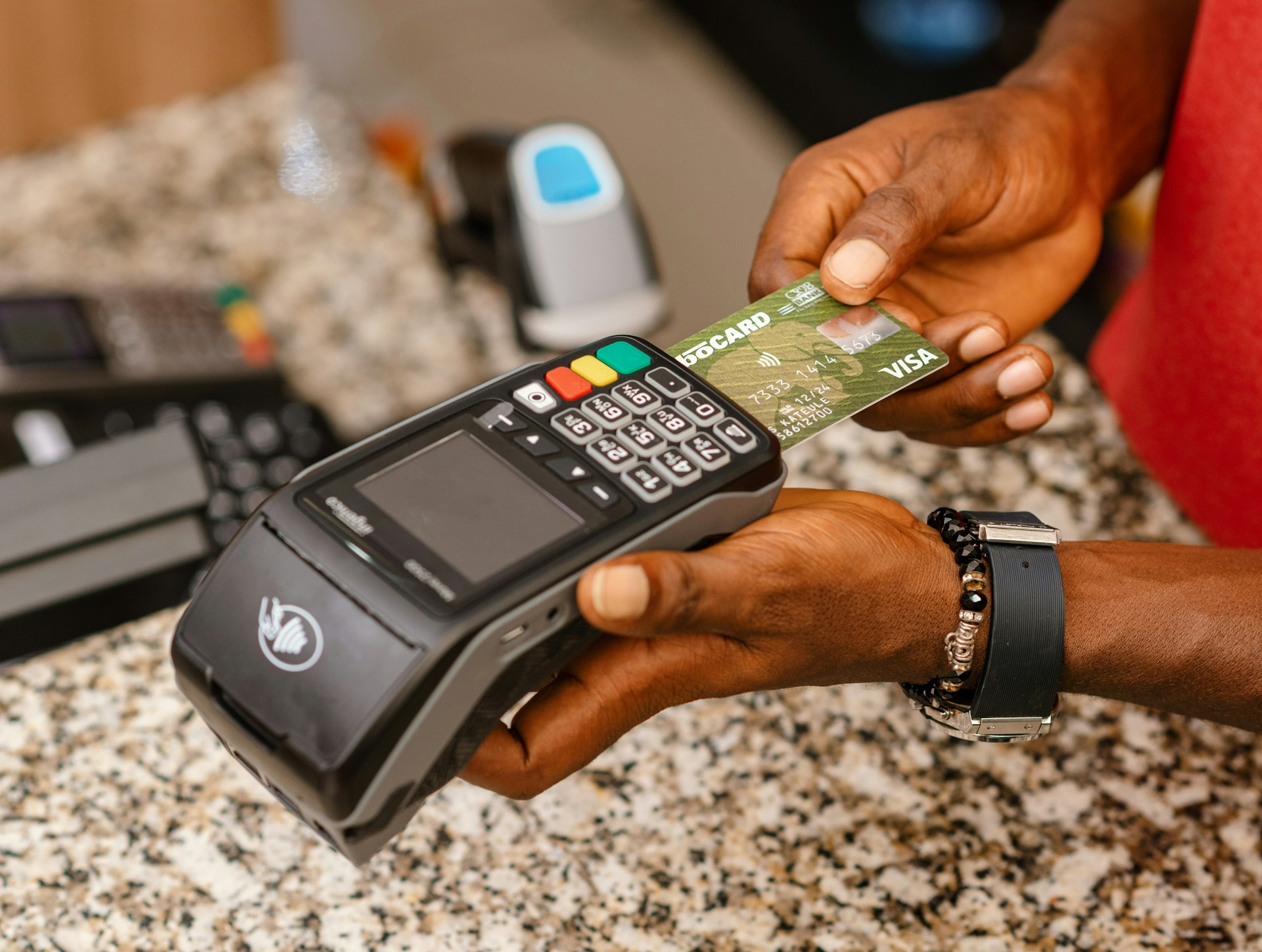
We buy the latest phone not because we need it but because it signals arrival. We spend on aso-ebi and drinks at events to earn respect in the community. Status, belonging, and future-proofing mentality drive purchases that logic cannot justify.
In an inflationary economy, these emotional triggers become expensive. The psychology is powerful: social signalling, the respect-recognition factor, the fear of looking “less than.” Yet every unnecessary purchase delays real wealth.
Awareness is the antidote. Before every non-essential spend, ask: Does this move me closer to freedom or just closer to looking successful? Delay big purchases 30 days. The urge often dies. Redirect the money to investments that actually buy freedom.
We are value-conscious people. Use that strength. Buy what serves long-term goals. The psychology does not disappear, but it can be managed. Master it and your money finally works for you instead of for appearances.
These 12 truths are not comfortable. They are useful. Apply even one consistently and your trajectory changes. The Nigeria we navigate rewards those who see clearly, act deliberately, and protect what matters. Start today. The compound effect is already waiting.
Spending is rarely just about necessity. It’s emotional, social, and psychological. Understanding why we spend helps Nigerians manage money more effectively.
The Emotional Pull
Many purchases are driven by emotion rather than logic. Retail therapy, social media influence, and peer pressure trigger emotional spending.
Impulse decisions often feel minor
Social Influence
In Nigeria, “keeping up appearances” is a strong motivator. Cultural and social pressures, especially among urban youths, make conspicuous consumption tempting.
- Branded clothes and accessories
- Imported foods and beverages
- Weekend outings in upscale locations
These create perceived status, but often at the cost of savings.
The Role of Marketing
Brands and marketers exploit consumer psychology:
- Flash sales create urgency
- Ads link happiness to products
- Influencers model lifestyles that seem aspirational
Without awareness, these tactics encourage unnecessary spending.
Impulse Buying
Impulse decisions often feel minor, but they add up.
Example:
Daily snacks from a mall or delivery apps may cost ₦500–₦1,000 per day. Over a month, that’s over ₦15,000 on non-essential items.
Strategies to Control Spending
- Pause Before Purchase – Wait 24 hours before non-essential buys.
- Budget Mindfully – Allocate funds for discretionary spending to prevent overshoot.
- Track Habits – Identify spending triggers (stress, social events, sales).
- Shift Mindset – Associate purchases with long-term goals rather than instant gratification.
Conclusion
Spending is not inherently bad, but understanding the psychology behind it allows Nigerians to make intentional, financially empowering decisions.