
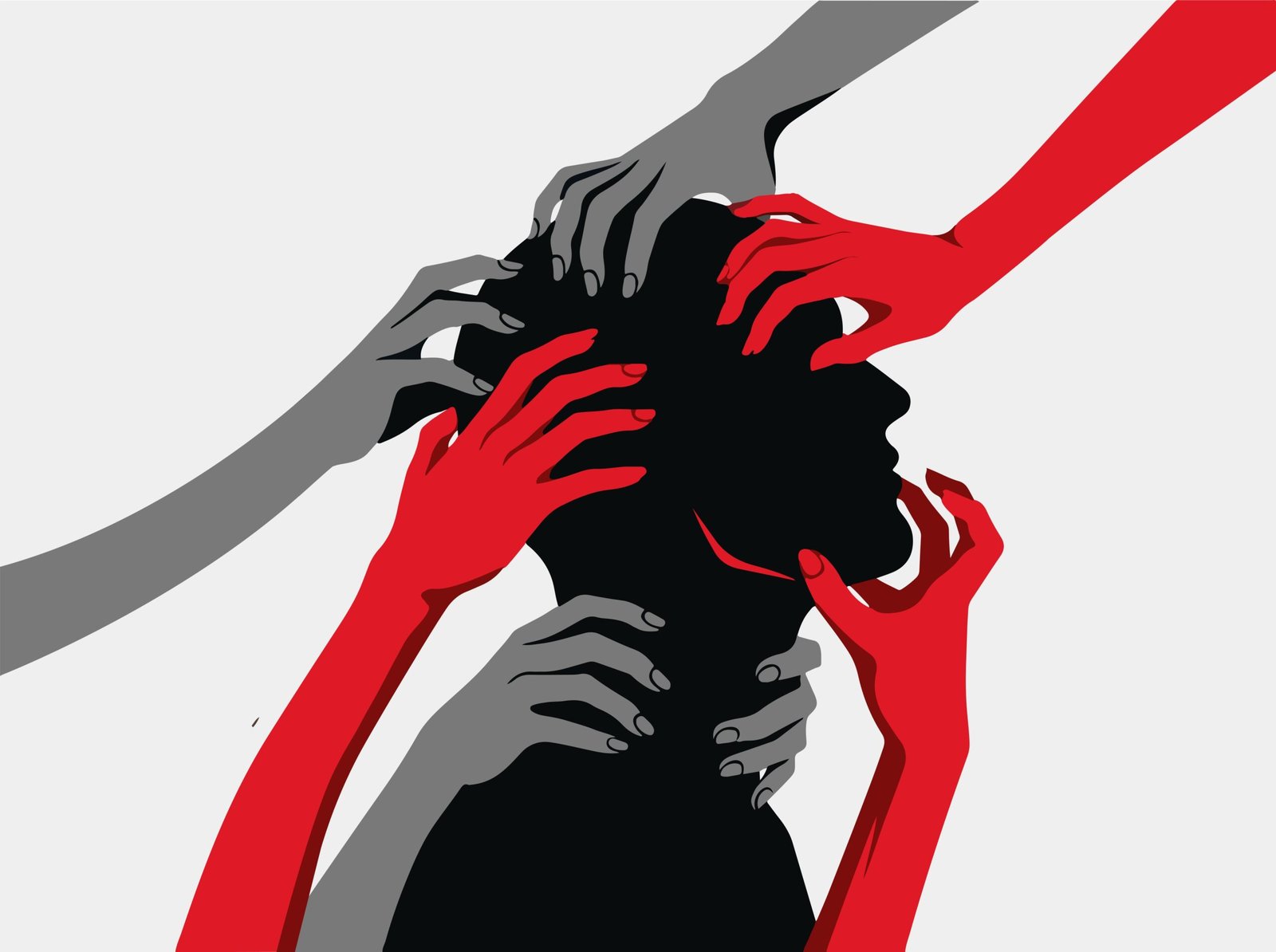
Violence, whether arising from armed conflict, domestic instability, crime, or social unrest, can have profound and lasting effects on families. Families serve as the primary social unit responsible for providing emotional support, economic stability, and social development. When violence disrupts family structures, the consequences often extend across generations, affecting individual well-being, community cohesion, and broader social development.
Violence can cause significant psychological trauma for both adults and children
Understanding Violence and Family Structures
Family structures encompass the relationships, roles, and support systems that exist within households and extended family networks. Violence can disrupt these structures through physical harm, psychological trauma, displacement, economic hardship, and the loss of family members.
The effects of violence often continue long after the immediate event, creating challenges that influence family functioning for many years. One of the most immediate consequences of violence is family separation. Armed conflicts, forced migration, incarceration, and community violence can separate parents from children and disrupt traditional family relationships.
Family separation lead to:
- Emotional distress
- Reduced parental support
- Loss of social networks
- Increased economic vulnerability
- Difficulties in child development
- Long-term relationship challenges
Violence can cause significant psychological trauma for both adults and children. Family members exposed to violence may experience:
- Anxiety and chronic stress
- Depression
- Post-traumatic stress symptoms
- Emotional withdrawal
- Difficulty maintaining relationships
- Increased family conflict
Economic Consequences for Families
Violence often disrupts employment opportunities, destroys property, and reduces household income. Families facing economic hardship may experience Increased poverty, Housing insecurity, Limited access to education, Reduced healthcare access, Food insecurity, Greater financial dependence
Economic instability can place additional stress on family relationships and reduce opportunities for future advancement.
Supporting Family Recovery and Resilience
Families affected by violence can benefit from various forms of support, including Mental health services, Family counseling, Educational support programs, Economic assistance, Community-based interventions, Social support networks, Strengthening family resilience can improve recovery outcomes and promote long-term stability.
Violence can have profound and lasting effects on family structures, influencing emotional well-being, economic security, and social development across generations. Understanding these impacts is essential for developing effective support systems and policies that promote healing, resilience, and family stability. Investing in family recovery contributes not only to individual well-being but also to stronger and more resilient communities.